

Bhutan's Punatsangchhu-I Hydropower Project Resumes After 7-Year Halt
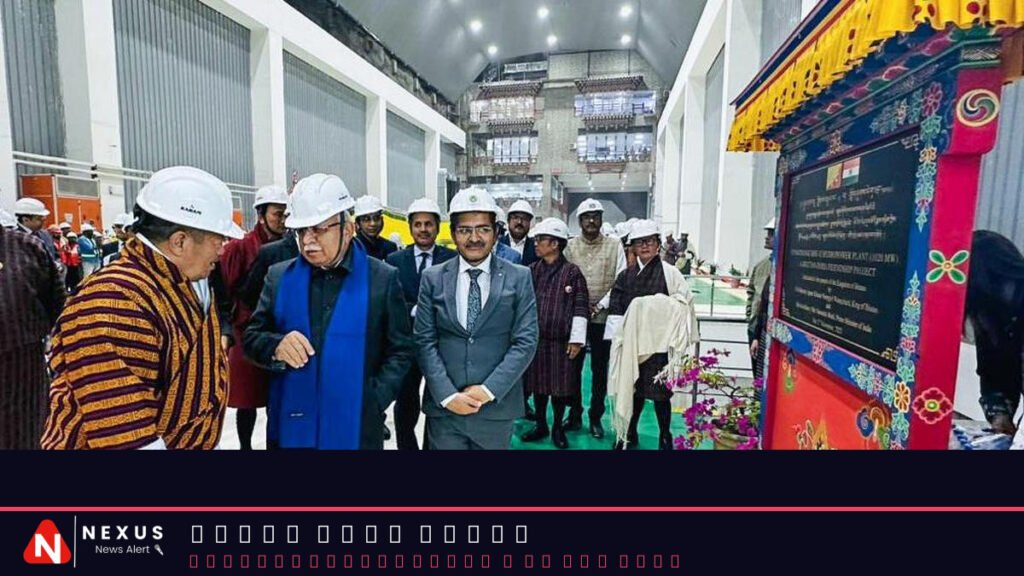
Work's finally back on in Bhutan - the Punatsangchhu-I hydropower project, that is. According to Nexus News Alert, this run-of-the-river project, with an installed capacity of 1,200 MW, is expected to boost Bhutan's hydropower capacity by about 30% to nearly 4,700 MW and generate around 5,670 million units annually. That's a big boost. It's a key project - and on top of that, it's a significant step towards a more sustainable energy mix.
Punatsangchhu-I Project Details
The Punatsangchhu-I project will significantly contribute to Bhutan's energy sector - what's more, it'll have a positive impact on the region. Here are the key facts at a glance:
| Project Name | Installed Capacity | Annual Generation |
|---|---|---|
| Punatsangchhu-I | 1,200 MW | 5,670 million units |
So, what does this mean for India? It's simple: more clean energy. The increased hydropower capacity in Bhutan could lead to a surge in clean energy export to India, supporting the country's renewable energy goals. Don't underestimate the impact - it won't be small.
Bhutan Hydropower Capacity and India
The Punatsangchhu-I project - it's a game-changer. It will not only enhance Bhutan's energy security but also strengthen India-Bhutan relations in the energy sector. As the project progresses, it will be interesting to see how this development impacts the regional energy landscape - and that's a story we'll be following closely.
Here's a quick summary of the project's benefits:
- Boosts Bhutan's hydropower capacity by about 30%
- Generates around 5,670 million units of clean energy annually
- Strengthens India-Bhutan relations in the energy sector
Punatsangchhu-I Project Timeline
The project's history - it's a long one. While the exact timeline for the project's completion is not available, here are the key milestones:
- Project inception: The Punatsangchhu-I project was initially conceived to support Bhutan's energy needs and export surplus energy to India - a crucial step.
- Work resumes: After a 7-year halt, work on the project has resumed, marking a significant milestone in the project's history - and that's a major breakthrough.
For more information on business and economy, RELATED: business economy news and updates.
Environmental Impact of Hydropower Projects
Hydropower projects like Punatsangchhu-I - they're crucial. As the world shifts towards renewable energy sources, they play a key role in reducing carbon emissions. However, it's essential to consider the environmental impact of such projects - and ensure they're designed and implemented sustainably. That's the challenge - can we do it?
So, what can we learn from this project, and how can we apply those lessons to other renewable energy initiatives? That's the question - what's the future of energy, and how will we get there? Fragment of a thought: sustainability is key. Another piece of the puzzle: innovation. And the outcome - it's still uncertain.
Frequently Asked Questions
Q: What is the installed capacity of the Punatsangchhu-I project?
A: The Punatsangchhu-I project has an installed capacity of 1,200 MW.
Q: How much energy will the Punatsangchhu-I project generate annually?
A: The project is expected to generate around 5,670 million units of clean energy annually.
Q: What is the significance of the Punatsangchhu-I project for India?
A: The project will strengthen India-Bhutan relations in the energy sector and support India's renewable energy goals - that's a win-win.
Q: What is the current status of the Punatsangchhu-I project?
A: Work on the project has resumed after a 7-year halt - it's back on track.
Q: How will the Punatsangchhu-I project impact the environment?
A: As a hydropower project, it will contribute to reducing carbon emissions and supporting the transition to renewable energy sources - a step in the right direction.
Follow Nexus News Alert for live updates on this story and more - we'll keep you posted.
For the latest on Bhutan Hydropower and all major stories in April 2026, stay with Nexus News Alert — updated as events develop.
📰 Based on reporting from: The Hindu