


China Rooftop Misting System: How Rain From Buildings Is Helping Fight Heatwaves
By Nexus News Alert Desk
Last Updated: 2 July 2026
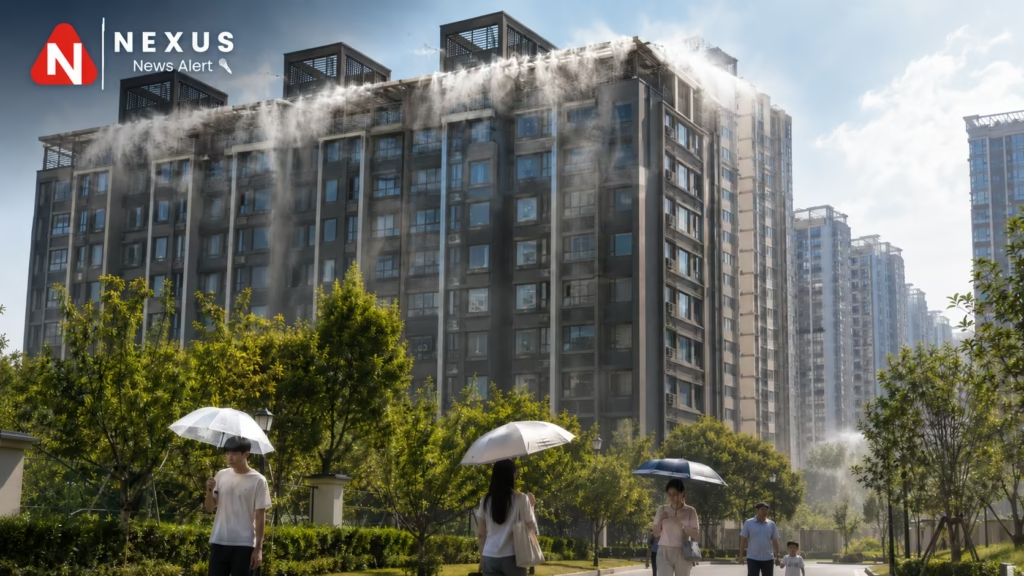
China’s rooftop misting system is drawing global attention after videos showed fine water spray falling from buildings during extreme heat. The system appears like artificial rain, but it is actually a heat-control method that uses evaporative cooling to reduce surrounding temperatures.
The China rooftop misting system is being discussed as cities across the world face longer and stronger heatwaves. Reports suggest that such misting systems may reduce local temperatures by a few degrees, depending on humidity, wind speed, water pressure and system design.
The technology is not a replacement for air conditioners, but it can help cool open spaces such as building surroundings, walkways, terraces and public areas.
What Is China Rooftop Misting System?
The China rooftop misting system is a cooling setup where high-pressure nozzles release very fine water droplets from rooftops or building edges. These droplets spread in the air and evaporate quickly.
When water evaporates, it absorbs heat from the surrounding air. This lowers the temperature around the sprayed area and creates a cooling effect.
In viral videos, the system looks like rain falling from the top of buildings. That is why many social media users are calling it “rain from buildings” or “outdoor AC.”
Also Read : Obesity Drug 2026: New Trojan Horse
How Does The System Work?
The system works on a simple scientific process called evaporative cooling.
Here is how it works:
- Water is supplied through pipes installed on rooftops or building edges.
- A high-pressure pump pushes the water through fine mist nozzles.
- The nozzles break water into very small droplets.
- The droplets evaporate in hot air.
- Evaporation absorbs heat and reduces the surrounding temperature.
The smaller the water droplets, the faster they evaporate. This helps cool the air without creating heavy waterlogging if the system is properly designed.
Why China Is Using Rooftop Mist Cooling
Several cities in China have been dealing with intense summer heat. In urban areas, concrete buildings, roads and glass surfaces trap heat for long hours. This creates what experts call the urban heat island effect.
The China rooftop misting system is being used as one possible way to reduce outdoor heat stress. It may help people in residential societies, public spaces and work zones where normal air conditioning cannot cool the open environment.
The system is also gaining attention because it uses less electricity than large outdoor cooling machines. However, it still needs water and regular maintenance.
Key Details At A Glance
| Point | Details |
|---|---|
| System Name | Rooftop misting system |
| Country In News | China |
| Main Purpose | Cooling outdoor areas during heatwaves |
| Cooling Method | Evaporative cooling |
| Reported Impact | Temperature may drop by a few degrees depending on conditions |
| Best Use | Hot and relatively dry outdoor spaces |
| Main Concern | Water use and maintenance |
Can It Reduce Temperature By 8°C?
Some viral claims say that rooftop misting can reduce temperatures by up to 8°C. However, the actual result may differ from place to place.
The cooling effect depends on several factors, including:
- Humidity level
- Air temperature
- Wind speed
- Droplet size
- Water pressure
- Height of the building
- Duration of misting
- Local weather conditions
The system usually works better in hot and dry weather because water evaporates faster. In humid weather, evaporation slows down, so the cooling effect may be lower.
Benefits Of Rooftop Misting
The China rooftop misting system is being discussed because it may offer several benefits during heatwaves.
- Outdoor cooling: It can make open areas more comfortable.
- Heat stress reduction: It may help people walking or working outside.
- Lower power use: It can use less electricity than large cooling systems.
- Dust control: Mist may reduce dust in some open areas.
- Public comfort: It can be useful in community spaces, markets and waiting areas.
Concerns And Limitations
The system also has some limitations. The biggest concern is water consumption. If a city is already facing water shortage, large-scale misting may not be practical.
Other concerns include:
- Less cooling in humid weather
- Water wastage if not controlled
- Slippery surfaces if mist does not evaporate properly
- Nozzle blockage due to minerals in water
- Maintenance cost of pumps and pipes
- Need for clean water to avoid hygiene problems
Experts generally see rooftop misting as a support system, not a complete solution to urban heat.
Can India Use This System?
India also faces severe heatwaves in many states. Cities such as Delhi, Jaipur, Ahmedabad, Hyderabad, Nagpur and parts of Uttar Pradesh, Rajasthan and Madhya Pradesh often record very high summer temperatures.
A similar mist cooling system may be useful in selected Indian locations such as:
- Bus stands
- Railway platforms
- Public markets
- Construction sites
- Large housing societies
- Outdoor waiting areas
- Heatwave relief centres
However, Indian cities must consider water availability, humidity, drainage and maintenance before using such systems widely.
Rooftop Misting System vs Air Conditioner
| Feature | Rooftop Misting System | Air Conditioner |
|---|---|---|
| Best For | Outdoor and semi-open spaces | Closed indoor rooms |
| Cooling Method | Water evaporation | Refrigerant-based cooling |
| Electricity Use | Lower than large AC systems | Higher electricity use |
| Water Use | Requires water | Does not spray water outdoors |
| Effect In Humidity | Less effective | Works better indoors |
| Public Area Use | Useful | Limited |
Why This News Is Trending
The China rooftop misting system is trending because it shows a visible and simple way to respond to rising heat. As heatwaves become more frequent, cities are looking for cooling methods beyond traditional air conditioning.
Urban planners are also discussing other heat-control solutions such as cool roofs, reflective paint, green roofs, shaded streets, tree cover and better building design.
The viral China videos have brought public attention to how cities may need new cooling systems in the future.
Final Update
The China rooftop misting system is a practical example of evaporative cooling being used in urban spaces. It may help reduce local heat during extreme weather, especially in hot and dry conditions.
But the system is not a permanent solution on its own. Its success depends on water availability, local climate, system design and maintenance. For cities facing extreme heat, rooftop misting may work best when combined with shade, trees, cool roofs and better urban planning.
FAQs On China Rooftop Misting System
What is the China rooftop misting system?
It is a cooling system that sprays fine water mist from rooftops or building edges to reduce outdoor temperature through evaporative cooling.
How does rooftop misting cool the air?
Fine water droplets evaporate in hot air. During evaporation, they absorb heat from the surrounding air and create a cooling effect.
Is rooftop misting the same as artificial rain?
No. It may look like light rain, but it is actually a controlled misting system designed for cooling.
Can this system reduce temperature by 8°C?
Some reports mention cooling of up to 8°C, but the actual impact depends on humidity, wind, water pressure and local weather conditions.
Can India use rooftop misting systems?
Yes, India can use such systems in selected public areas, but water use, humidity and maintenance must be considered carefully.
What is the main problem with rooftop mist cooling?
The main concern is water use. If not managed properly, it may waste water or create slippery surfaces.
Editorial Note
This report is based on media reports and publicly available explanations of evaporative cooling. Reported temperature reduction may vary depending on location, humidity, wind and system design. Nexus News Alert will update this report if official agencies or scientific bodies release verified performance data on rooftop misting systems.