

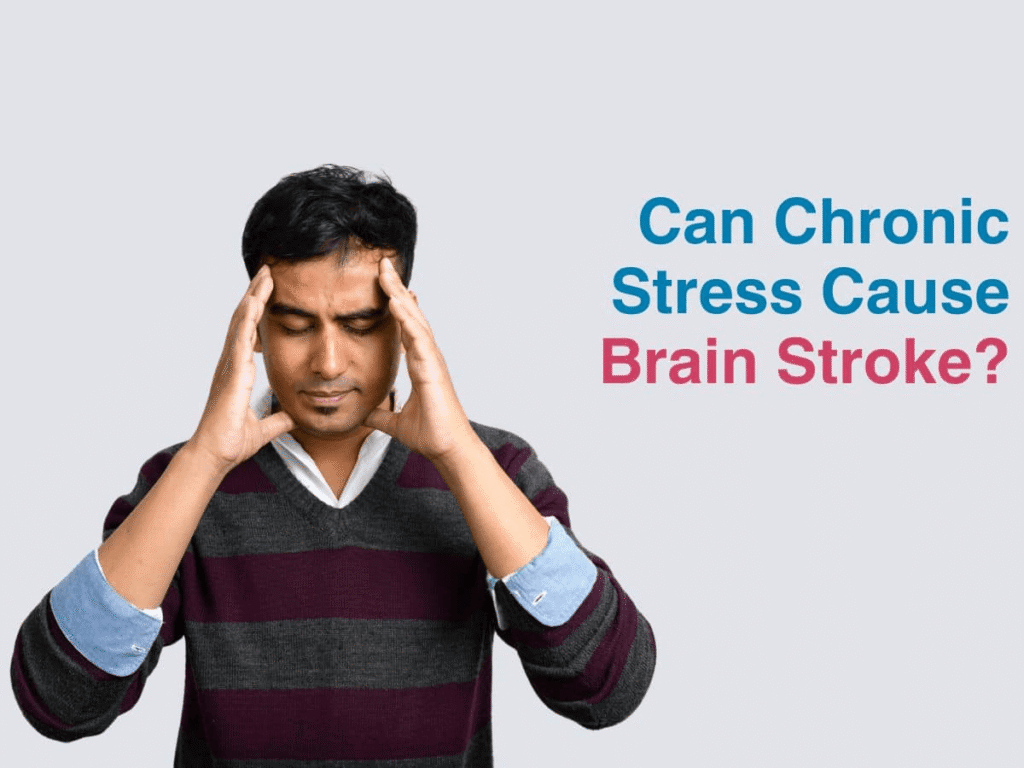
Nexus News Alert | New Delhi, 27 May 2026 — In today’s fast-paced world, stress has become almost constant for many people. But can this everyday pressure actually lead to something as serious as a brain stroke? The answer, according to experts, is yes — especially when stress becomes chronic. AIIMS-trained neurosurgeon Dr. Arun L. Nayak recently addressed this important question, explaining how prolonged stress can silently damage the brain and increase stroke risk.
A brain stroke, also known as a brain attack, occurs when blood supply to a part of the brain is suddenly reduced or blocked. This deprives brain cells of oxygen and nutrients, causing them to die within minutes. It is a medical emergency that can lead to permanent disability or even death if not treated quickly. While many factors contribute to stroke, doctors are increasingly highlighting the dangerous role of unmanaged stress and brain stroke connection.
Also Read : Fuel Price Hike: FM Sitharaman Says ‘India
How Stress and Brain Stroke Are Linked
Dr. Arun L. Nayak explains that feeling stressed at 30 may seem normal, but chronic stress gradually harms the brain and body. When a person remains under constant pressure, several harmful changes occur:
- Sudden spikes in blood pressure
- Disrupted sleep patterns
- Increased body inflammation
- Elevated blood sugar levels
- Unhealthy eating habits and possible smoking or alcohol use
All these factors together significantly raise the chances of a brain stroke. Stress forces the heart to pump blood faster, which can lead to clot formation in arteries supplying the brain. Over time, this increases the risk of both ischemic strokes (caused by clots) and hemorrhagic strokes (caused by bleeding).
Studies have consistently shown a strong connection between high stress levels and cardiovascular problems, including stress and brain stroke. People under chronic stress often ignore healthy habits, skip exercise, and make poor dietary choices, further compounding the danger.
Early Warning Signs of Brain Stroke You Should Never Ignore
Recognising symptoms quickly can save lives. Common signs include:
- Sudden weakness or numbness on one side of the body
- Difficulty speaking or understanding speech
- Severe headache with no known cause
- Blurred or double vision
- Loss of balance or dizziness
If you or someone around you experiences these symptoms, seek immediate medical help. Remember, every minute counts in stroke treatment.
Doctor’s Advice on Managing Stress to Prevent Brain Stroke
Dr. Nayak emphasises that while some stress is unavoidable, chronic stress must be managed. Simple lifestyle changes can make a big difference:
- Regular physical exercise
- Healthy and balanced diet
- Adequate sleep every night
- Meditation or deep breathing exercises
- Spending time with family and friends
- Seeking professional help when needed
Avoiding smoking, limiting alcohol, and keeping blood pressure, sugar, and cholesterol under control are also crucial in reducing stress and brain stroke risk.
Why This Warning Matters in 2026
With increasing work pressure, financial worries, and lifestyle changes, more young people are experiencing high stress levels. The post-pandemic world has made mental health challenges even more visible. Medical experts warn that ignoring chronic stress today could lead to serious health complications, including brain stroke, in the coming years.
This is why doctors like Dr. Arun L. Nayak are using social media platforms to spread awareness. Their message is clear — take stress seriously before it takes a toll on your brain and overall health.
Prevention Tips to Reduce Stress and Brain Stroke Risk
Here are practical steps everyone can follow:
- Exercise Daily — Even 30 minutes of walking can lower stress hormones.
- Eat Brain-Friendly Foods — Include fruits, vegetables, nuts, and omega-3 rich foods.
- Sleep Well — Aim for 7-8 hours of quality sleep every night.
- Practice Mindfulness — Meditation and yoga help calm the mind.
- Limit Screen Time — Reduce unnecessary social media use that adds to stress.
- Stay Connected — Talk to friends and family regularly.
- Seek Help — Don’t hesitate to consult a doctor or counsellor if stress feels overwhelming.
Nexus News Alert Verdict
The link between stress and brain stroke is real and should not be ignored. While occasional stress is part of life, chronic stress silently damages blood vessels and increases the chances of life-threatening conditions. Dr. Arun L. Nayak’s clear message serves as an important reminder for all of us to prioritise mental peace and healthy living.
Small changes in daily routine can significantly lower your risk. Listen to your body, manage stress effectively, and consult doctors at the first sign of trouble. Prevention is always better than cure, especially when it comes to brain health.
As awareness about mental health grows in 2026, understanding the connection between stress and brain stroke becomes more important than ever. Take care of your mind today to protect your brain for tomorrow.
Stay tuned with Nexus News Alert for more health awareness stories, expert advice from leading doctors, latest medical research, and tips to live a healthier life.