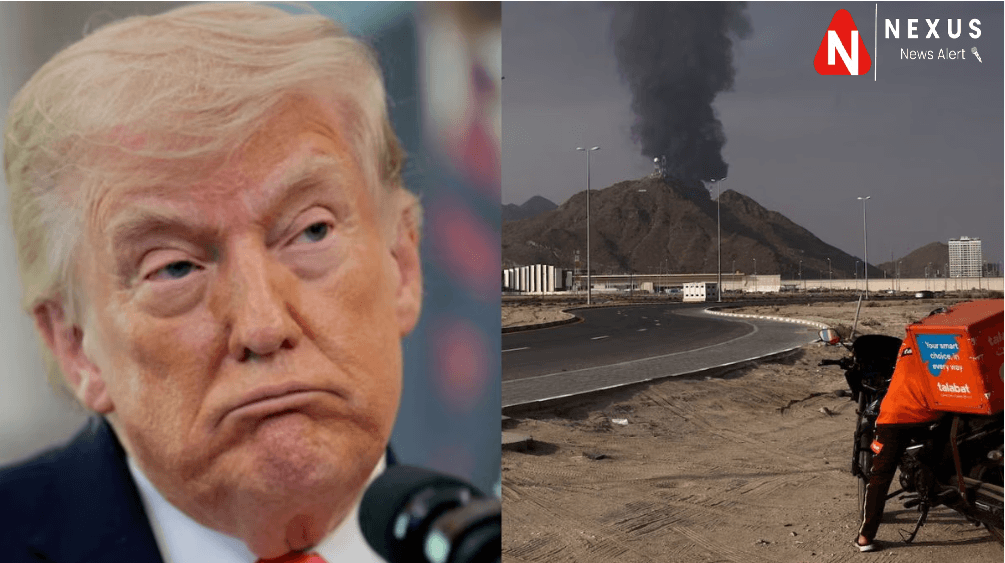


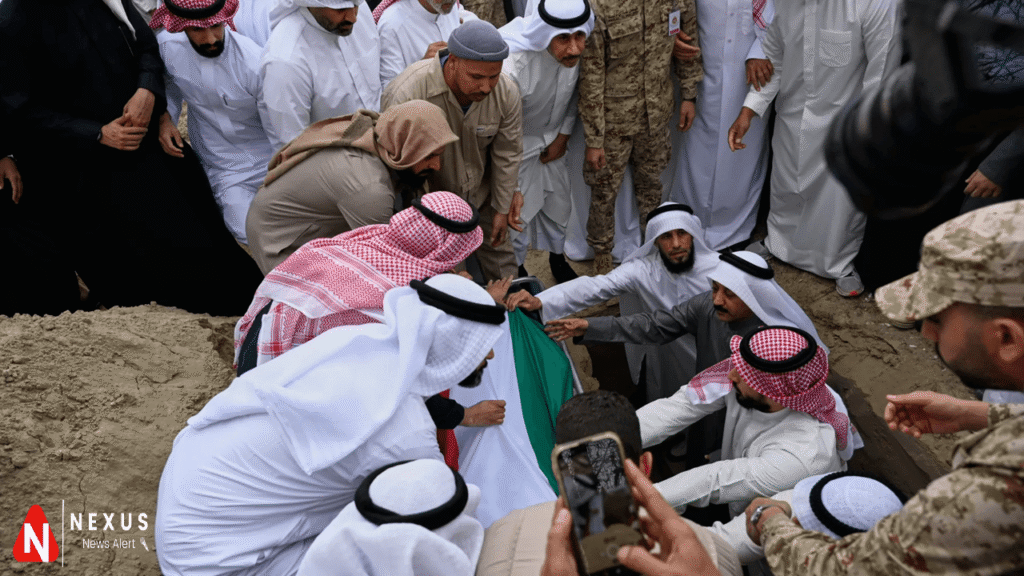
The world stands on the brink as the Iran-US War 2026 enters its second week, marking one of the most dangerous military confrontations since World War II. What began as joint US-Israeli strikes on February 28, 2026, has rapidly escalated into a full-scale regional conflict threatening global energy supplies and international stability.
How the Iran-US War 2026 Started
The Iran-US War 2026 erupted when American and Israeli forces launched a coordinated military operation targeting Iran's leadership and nuclear infrastructure. The initial strikes killed Iran's Supreme Leader Ayatollah Ali Khamenei, triggering massive retaliation from Tehran across the Middle East.
Also Visit: Globe topics and trending world topics
President Donald Trump authorized the attacks claiming they were preemptive defensive measures. However, international law experts have questioned the legality of these strikes, arguing they constitute an unprovoked act of aggression against a sovereign nation.
The timing of the Iran-US War 2026 came amid escalating tensions over Iran's nuclear program and its support for regional militias. Intelligence reports suggested Iran was months away from developing nuclear weapons capability, though Tehran has always denied pursuing such arms.
Major Developments in the Iran-US Conflict
Week One Casualties: The Iranian Red Crescent Society reports over 787 deaths from US-Israeli airstrikes, with thousands more wounded. The most tragic incident involved a strike on a girls' school in Minab that killed 175 students, though Trump has disputed US responsibility for this attack.
Leadership Transition: Following Ayatollah Ali Khamenei's death, Iran quickly appointed his son Mojtaba Khamenei as the new Supreme Leader. Hundreds of thousands rallied in Tehran supporting the new leadership and vowing resistance against American aggression.
Also Visit: Read Hot Stories and Bollywood Gossips
Nuclear Facilities Targeted: The International Atomic Energy Agency confirmed strikes on the underground Natanz Nuclear Facility and the Parchin military complex. While entrances were damaged, no radiation leaks have been detected. Israel claims these sites were developing nuclear weapons components.
The Strait of Hormuz Crisis
Perhaps the most alarming aspect of the Iran-US War 2026 is Iran's effective blockade of the Strait of Hormuz, the world's most critical oil chokepoint. About 20% of global oil passes through this narrow waterway between Iran and Oman.
Current Situation:
- Shipping through the strait has dropped 95% in the first week of March
- Iran's Revolutionary Guard has attacked multiple commercial vessels
- Oil tankers are refusing to enter the Persian Gulf
- Brent crude oil prices surged above $100 per barrel
Iran's armed forces warned they would not allow "even one liter of oil" to leave the region until US and Israeli attacks cease. President Trump responded with threats of "death, fire and fury" if Iran continues blocking the strait.
Global Economic Impact
The Iran-US War 2026 has triggered unprecedented economic disruptions worldwide:
Oil Market Chaos: The International Energy Agency announced member countries will release 400 million barrels from strategic reserves, with the US contributing 172 million barrels. Despite this massive intervention, oil prices remain volatile and dangerously high.
Energy Security Crisis: European nations face potential fuel shortages. Asian economies dependent on Middle Eastern oil are scrambling for alternative suppliers. India and China, major Iranian oil customers, are caught in a diplomatic dilemma.
Stock Market Volatility: Global markets have experienced wild swings. Energy stocks surged while airlines, shipping companies, and manufacturing sectors suffered major losses. Economic analysts warn of potential global recession if the conflict continues.
Regional Escalation
The Iran-US War 2026 has sparked fighting across the Middle East:
Lebanon-Israel Front: Israel launched a ground offensive into Lebanon on March 2, engaging Hezbollah forces along the border. At least 31 deaths reported in Beirut from Israeli airstrikes. The UN estimates 700,000 people displaced in Lebanon.
Gulf States Under Attack: Iran has fired drones and missiles at Saudi Arabia, UAE, Kuwait, and Qatar. A major fire destroyed an oil terminal in Fujairah, UAE. Explosions reported at the US Embassy in Riyadh.
Pakistan Border Clash: In a related development, Taliban forces clashed with Pakistani troops, leaving 28 Afghan soldiers and 42 civilians dead. The conflict has displaced thousands more refugees.
International Response
United Nations: Russia and China demanded emergency Security Council meetings, condemning US-Israeli actions as "unprovoked aggression." However, the US vetoed any ceasefire resolutions. France called for immediate humanitarian access to Iran.
European Division: UK Prime Minister Keir Starmer approved US strikes from British bases, deploying RAF assets to the conflict. France sent Rafale jets to UAE. However, Spain condemned the attacks, creating rifts in NATO unity.
Asian Stance: China warned of "serious consequences" and offered diplomatic mediation. Russia, benefiting from higher energy prices, has increased oil sales. North Korea expressed support for Iran's "right to self-defense."
Humanitarian Crisis
Beyond military casualties, the Iran-US War 2026 has created severe humanitarian emergencies:
Tehran Environmental Disaster: Israeli strikes on oil depots have left Tehran covered in toxic soot. Residents report breathing difficulties, burning eyes, and environmental contamination. The WHO warns of long-term health impacts.
Internet Blackout: Iran has imposed a near-total internet shutdown lasting 240 hours, making it one of the longest government-imposed blackouts in history. Communication with the outside world is severely limited.
Refugee Crisis: Hundreds of thousands flee conflict zones in Lebanon, Iran, and affected Gulf states. Airports are overwhelmed, with flight cancellations stranding travelers worldwide.
Trump Administration's Strategy
Defense Secretary Pete Hegseth announced March 11 as "the most intense day" of US strikes yet. The administration claims operations could continue for weeks until Iran agrees to:
- Abandon nuclear weapons program
- End support for regional militias
- Release all detained Americans
- Accept regime change
Critics argue these demands amount to unconstitutional war-making without Congressional approval. Lawmakers are considering a War Powers Resolution to force debate on the conflict.
Iran's Retaliation Capabilities
Despite heavy losses, Iran retains significant military capabilities:
Missile Arsenal: Iran fired "its most advanced ballistic missiles" toward Tel Aviv and Haifa, though many were intercepted. Tehran possesses thousands of precision-guided missiles capable of reaching any target in the Middle East.
Proxy Forces: Hezbollah in Lebanon, Houthis in Yemen, and Shia militias in Iraq continue attacking Israeli and American interests. These groups operate independently but coordinate with Iranian strategy.
Cyber Warfare: Iranian hackers have intensified operations against Western infrastructure, though most attacks have been thwarted.
What Happens Next?
Several scenarios could unfold in the Iran-US War 2026:
Best Case: Diplomatic intervention by neutral powers (China, Turkey) leads to ceasefire negotiations. Oil flow resumes, preventing global economic collapse.
Likely Case: Conflict continues at current intensity for weeks. Gradual diplomatic pressure forces both sides to informal ceasefire while maintaining hostile posture.
Worst Case: Iran deploys chemical weapons or improvised nuclear devices. Israel considers tactical nuclear response. Conflict engulfs entire Middle East, drawing in Russia and China.
Expert Analysis
Military analysts note this is the most dangerous US military engagement since the 2003 Iraq invasion. Unlike Iraq, Iran has substantial defensive capabilities and regional allies, making regime change virtually impossible without catastrophic costs.
Economic experts warn that extended Strait of Hormuz closure would devastate the global economy, potentially causing the worst recession since the 1930s Great Depression.
Conclusion
The Iran-US War 2026 represents a turning point in modern geopolitical history. Its outcome will shape Middle Eastern politics, global energy markets, and international relations for decades. As casualties mount and economic damage spreads, the world watches anxiously for signs of de-escalation.
For now, the conflict shows no signs of ending. With oil prices volatile, shipping paralyzed, and regional powers choosing sides, the Iran-US War 2026 threatens to become the defining crisis of this generation.
Stay updated with the latest developments on NexusNewsAlert.com