

The Iran-Israel war entered a critical new phase on April 15, 2026, as U.S. President Donald Trump confirmed he is not considering extending the ongoing two-week ceasefire with Iran, while hinting strongly that a breakthrough deal could emerge "within two days." Global markets reacted sharply, with crude oil prices remaining well above pre-war levels.
Here is everything you need to know about today's major developments in the West Asia conflict.
Key Developments at a Glance
| Development | Details |
|---|---|
| Trump on Ceasefire | Not extending it — "deal is preferable" |
| U.S. Blockade | Full naval blockade of Iranian ports implemented |
| Iran-U.S. Talks | Pakistan shortlisted as next venue for Round 2 |
| Israel-Lebanon | Agreed to launch direct negotiations |
| Crude Oil | Unlikely to return to $65/barrel near-term |
| India Impact | Import bill may rise by $70 billion annually |
Trump: "I Think You're Going to Watch an Amazing Two Days"
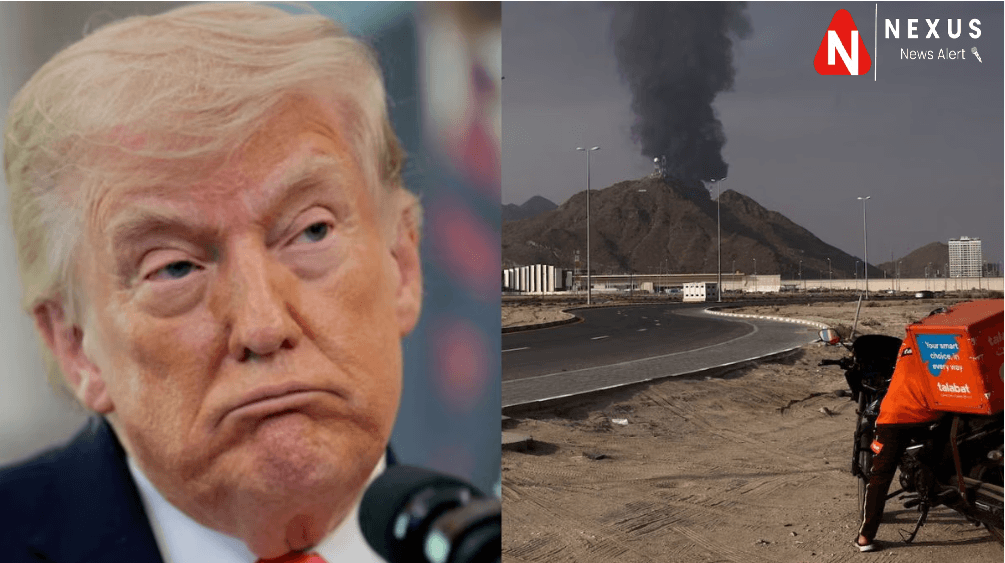
Speaking to ABC News chief Washington correspondent Jonathan Karl on Tuesday, President Trump was unambiguous about his position on the ceasefire with Iran.
"President Trump told me today he isn't thinking about extending the ceasefire. He doesn't think it will be necessary," Karl wrote on social media, quoting the U.S. President directly.
Also Read : Pershing Square Universal Music Group: Bill Ackman’s $64 Billion
Trump signaled confidence in an imminent breakthrough: "I think you're going to be watching an amazing two days ahead. I really do."
When pressed on whether the war would end through a negotiated deal or by neutralising Iran's capabilities, Trump said both scenarios remained possible — but expressed a clear preference for diplomacy.
"It could end either way, but I think a deal is preferable because then they can rebuild. They really do have a different regime now. No matter what, we took out the radicals. They're gone, no longer with us," Trump said as quoted by ABC News.
U.S. Completes Full Naval Blockade of Iran's Ports
In one of the most significant military announcements of the conflict so far, the United States Central Command (CENTCOM) confirmed on Wednesday that a complete blockade of Iran's ports has been successfully enforced.
CENTCOM Commander Admiral Brad Cooper stated that within just 36 hours of initiating the blockade, U.S. forces had effectively halted all maritime trade flowing in and out of Iran, asserting dominance across the Strait of Hormuz and other key waterways.
Also Read: Sensex Crashes 1,710 Points, Nifty Below 22,600 on March 23
The U.S. military separately confirmed: "U.S. forces have completely halted economic trade going into and out of Iran by sea."
A U.S.-sanctioned tanker, the Rich Starry, attempted to break through the blockade after exiting the Gulf the previous day, but was turned back to the Strait of Hormuz on Wednesday — demonstrating the effectiveness of the maritime containment strategy.
Pakistan: The New Diplomatic Hub for Iran-U.S. Talks
With the first round of U.S.-Iran negotiations ending without agreement over the weekend — primarily due to differences over how long Iran must suspend uranium enrichment — attention is now turning to Pakistan as the potential venue for a second round.
Trump hinted on Tuesday that follow-up talks could happen in Pakistan "over the next two days."
Pakistan's Prime Minister Shehbaz Sharif is embarking on a four-day diplomatic tour covering Saudi Arabia, Qatar, and Turkey, beginning Wednesday. Islamabad's Finance Ministry also announced that Saudi Arabia would provide Pakistan with $3 billion to bolster its foreign reserves — a move seen as part of the broader diplomatic realignment.
Pakistan and Saudi Arabia share close ties, and the Gulf kingdom is one of Washington's regional allies that came under attack by Iran since the outbreak of hostilities in February.
Israel and Lebanon Agree to Direct Negotiations
In a significant diplomatic development, Israel and Lebanon have agreed to hold direct negotiations after "productive discussions" in Washington, U.S. State Department spokesperson Tommy Pigott confirmed on Tuesday.
"The participants held productive discussions on steps toward launching direct negotiations between Israel and Lebanon," Pigott said, adding that "all sides agreed to launch direct negotiations at a mutually agreed time and venue."
However, Israeli strikes on southern Lebanon continued — with an airstrike hitting a vehicle in Saadiyat, approximately 20 kilometres south of Beirut, just hours after the agreement was announced. Israel has not targeted the Lebanese capital since a series of strikes on April 8 that killed more than 350 people.
Global Economy Reels From the Conflict
IMF Cuts Global Growth Outlook
The International Monetary Fund has cut its global growth outlook, warning that the world is already drifting toward a more adverse economic scenario driven by the West Asia conflict and soaring oil prices. Recession risks are rising across multiple major economies.
Crude Oil: No Return to $65/Barrel Anytime Soon
A report by Indian brokerage firm Prabhudas Lilladher warned that crude oil prices are unlikely to return to pre-war levels of $65 per barrel in the near term.
"We believe crude prices are unlikely to revert to pre-Gulf war conflict levels of $65/barrel," the report stated, adding that India's annual crude import bill could rise by as much as $70 billion.
Kenya Hikes Fuel Prices by Up to 24%
Kenya's energy regulator EPRA raised retail fuel prices sharply on Tuesday:
- Petrol: Up 16.1% to 206.97 Kenyan shillings per litre (~$1.60)
- Diesel: Up 24.2% to 206.84 Kenyan shillings per litre
- Kerosene: Maintained at 152.78 shillings
The regulator cited an import cost surge of up to 68.7% as the primary justification for the hikes.
Former U.S. Treasury Secretary Yellen Warns of Inflation Spiral
Former U.S. Treasury Secretary Janet Yellen, speaking at the HSBC Global Investment Summit in Hong Kong, described the war as "a broad supply shock" that is already intensifying inflationary pressures globally.
"It puts upward pressure on inflation and we've already seen that in recent inflation reports, but we're likely to see more," Yellen cautioned.
Iran Nuclear Talks: Enrichment Duration Is a Political Call — IAEA
International Atomic Energy Agency (IAEA) Director General Rafael Grossi stated on Wednesday that the duration of any moratorium on Iran's uranium enrichment — a central sticking point in the U.S.-Iran ceasefire negotiations — is ultimately a political decision, not a technical one.
The U.S. and Western nations have maintained that any agreement must include a binding commitment from Tehran to suspend uranium enrichment, which they argue could be used to build nuclear weapons.
U.S. Treasury Scraps Temporary Sanctions Relief on Iranian Oil
The U.S. Treasury Department confirmed on Tuesday that it will not renew a short-term easing of sanctions on Iranian oil that had been introduced to cushion war-related supply disruptions.
"The short-term authorization permitting the sale of Iranian oil already stranded at sea is set to expire in a few days and will not be renewed," the Treasury said in a statement, emphasising that it is "maintaining maximum pressure" on Tehran.
238 Iranian Sailors Repatriated from Sri Lanka
Sri Lanka repatriated 238 Iranian sailors who had been stranded in the South Asian country after their warship was torpedoed by a U.S. submarine in the Indian Ocean on March 4, a Sri Lankan minister confirmed.
India's Response: Jaishankar Speaks to Israeli FM
India's External Affairs Minister S. Jaishankar held a phone call with Israeli Foreign Minister Gideon Sa'ar to discuss "different aspects" of the West Asia crisis, including concerns around the U.S. naval blockade and its implications for regional shipping lanes that are critical to Indian trade.
Frequently Asked Questions (FAQ)
Q: Is the U.S.-Iran ceasefire still active? Yes, the two-week ceasefire is still technically in effect as of April 15, 2026. However, President Trump has confirmed he is not considering extending it, while expressing hope for a deal before the ceasefire expires.
Q: Why did the first round of Iran-U.S. talks fail? The primary disagreement was over the duration of the uranium enrichment ban that Iran would be required to observe under any deal. The U.S. and West want a longer, binding moratorium; Iran has resisted.
Q: Where could the next round of Iran-U.S. talks be held? Pakistan has emerged as the leading candidate, with President Trump hinting it could happen "over the next two days."
Q: How is the Iran-Israel war affecting oil prices globally? Crude oil has risen sharply above its pre-war level of $65 per barrel and is expected to remain elevated due to supply disruptions, the U.S. blockade of Iranian ports, and broader regional instability.
Q: What is India's exposure to the West Asia war? India's crude oil import bill could increase by up to $70 billion annually if prices remain at current elevated levels, according to analysis by Prabhudas Lilladher. India has also engaged diplomatically, with EAM Jaishankar speaking directly to Israeli counterparts.
What to Watch Next
- Whether a second round of U.S.-Iran talks materialises in Pakistan within 48 hours
- Trump's next major statement as the ceasefire window closes
- Any escalation in Lebanon following the Israel-Lebanon direct-talks agreement
- Movement in global oil markets as the Iran sanctions deadline nears