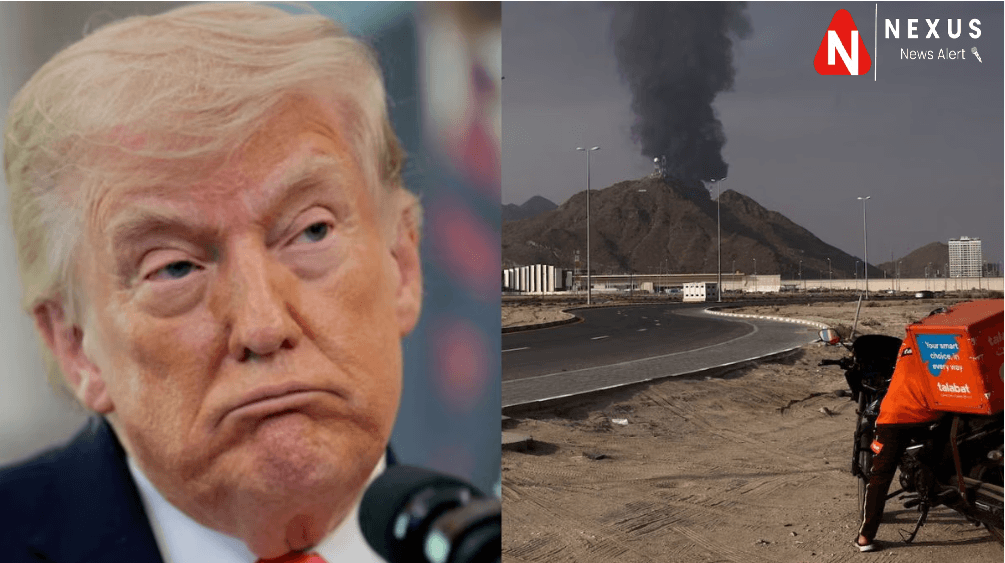


The Strait of Hormuz crisis 2026 has sent shockwaves through the world economy. As tensions in the Iran US War 2026 escalate, Iran has effectively disrupted one of the planet's most vital oil routes. Nearly 20% of global oil passes through this narrow waterway, and now shipping has slowed to a crawl. Brent crude has spiked to around $120 per barrel, with fears of worse to come.
At NexusNewsAlert, we’ve tracked this developing story closely. The blockade isn’t total closure yet, but attacks on tankers and threats from Iran’s new leadership have made insurers pull cover and many captains refuse the passage. It’s created the biggest supply disruption in oil market history.
What Exactly Is the Strait of Hormuz Crisis 2026?
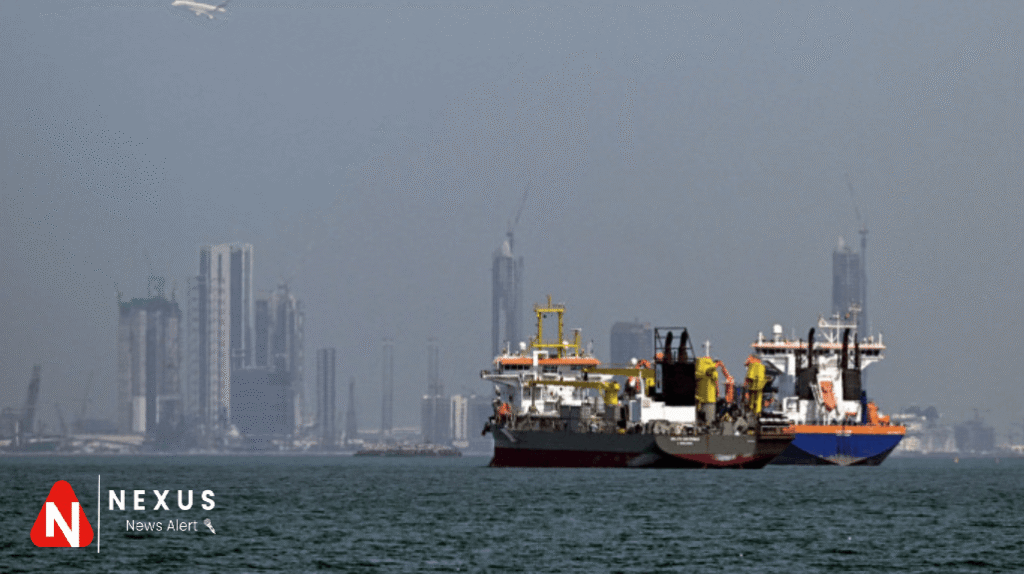
The strait lies between Iran and Oman, connecting the Persian Gulf to the open sea. It’s just 21 miles wide at its narrowest, making it easy to threaten. Since early March 2026, following US and Israeli strikes, Iran has targeted several tankers with drones and mines. Traffic has dropped by up to 80% in some reports.
This isn’t new – remember the 2019 tanker attacks? But 2026 feels different. The scale, combined with the ongoing war, has paralysed maritime trade disruption far beyond the region.
Also Read : Iran-US War 2026: Complete Analysis of the Escalating Middle East Crisis
Timeline of the Oil Price Surge 2026
Here’s a quick timeline of how prices went from stable to sky-high:
- Early March: Initial strikes begin; oil hovers ~$80/barrel.
- Mid-March: Iran vows to block enemies’ shipping; first tanker hits reported.
- 10-12 March: Traffic falls sharply; Brent jumps to $100+.
- 13 March 2026: Prices hit $120 amid IEA emergency reserve release of 400 million barrels.
Experts say if the strait stays risky for weeks, we could see $150+ – triggering a proper global energy crisis.
Global Response to the Energy Security Threat
The International Energy Agency (IEA) acted fast, releasing strategic reserves – a rare move. The US, Europe, and others joined in. But even 400 million barrels won’t fix long-term issues if Persian Gulf shipping paralysis continues.
OPEC held an emergency meeting, but output can’t ramp up quickly enough. Alternative routes (like pipelines through Saudi Arabia) exist but handle only a fraction of the volume.
Regional Impacts: Who Hurts Most?
Different parts of the world feel this differently:
- USA: Gas prices spike toward $5/gallon in some states. Inflation ticks up again.
- Europe: Already energy-stressed from past crises, faces winter worries despite spring timing.
- India & China: Massive importers – India’s oil shortage could slow growth; China’s energy imports strain factories.
- Developing nations: Fuel subsidies strain budgets, food transport costs rise.
| Region | Main Impact | Estimated Extra Cost (per month) |
|---|---|---|
| USA | Gas prices spike USA | +$50–100 per household |
| Europe | Energy crisis Europe | +€30–60 billion overall |
| India | India oil shortage | +₹10,000 crore import bill |
| China | China energy imports | Factory slowdowns, +5–8% costs |
(Data approximate based on analyst reports, March 2026)
Why Alternative Routes Can’t Replace Hormuz
Pipelines and other paths sound good on paper, but capacity is limited. The Saudi East-West pipeline handles ~5 million barrels/day max – against Hormuz’s normal 20+ million. Rail and trucks? Far too slow and expensive for global scale.
Economic Consequences: Recession Fears Grow
Higher oil means higher everything – transport, manufacturing, food. Supply chain disruption hits hard. Airlines cancel routes, shipping costs surge. Many economists now predict a mild recession if this lasts beyond a month.
But there are winners too – oil producers like Russia see revenue booms (as covered in our later article on Russia benefits).
Expert Predictions – When Will the Crisis End?
Middle East analysts say it depends on the wider war. If US-Israel achieve quick goals, pressure eases. But Iran’s new supreme leader seems determined. Best case: weeks. Worst: months of oil tanker attacks and maritime trade disruption.
What Consumers Face Right Now
- Expect higher petrol/diesel prices soon.
- Airlines may hike fares.
- Groceries could rise due to transport costs.
Tips: Carpool, reduce unnecessary drives, stock essentials if worried about shortages.
FAQ – Strait of Hormuz Crisis 2026
Q: Is the Strait of Hormuz completely closed? A: Not officially, but effectively yes for many ships due to risks. Traffic is down dramatically.
Q: How does this affect my daily fuel costs? A: In the UK/Europe, expect 10–20p/litre rises soon; similar in other regions.
Q: Will releasing reserves fix it? A: Temporarily yes, but not if the iran oil blockade continues long-term.
Q: Any link to the bigger Iran US War 2026? A: Absolutely – this is a direct escalation tactic. Read our full coverage here.
The Strait of Hormuz crisis 2026 reminds us how connected – and fragile – global energy is. At NexusNewsAlert, we’ll keep updating as events unfold. Stay informed, stay prepared.