


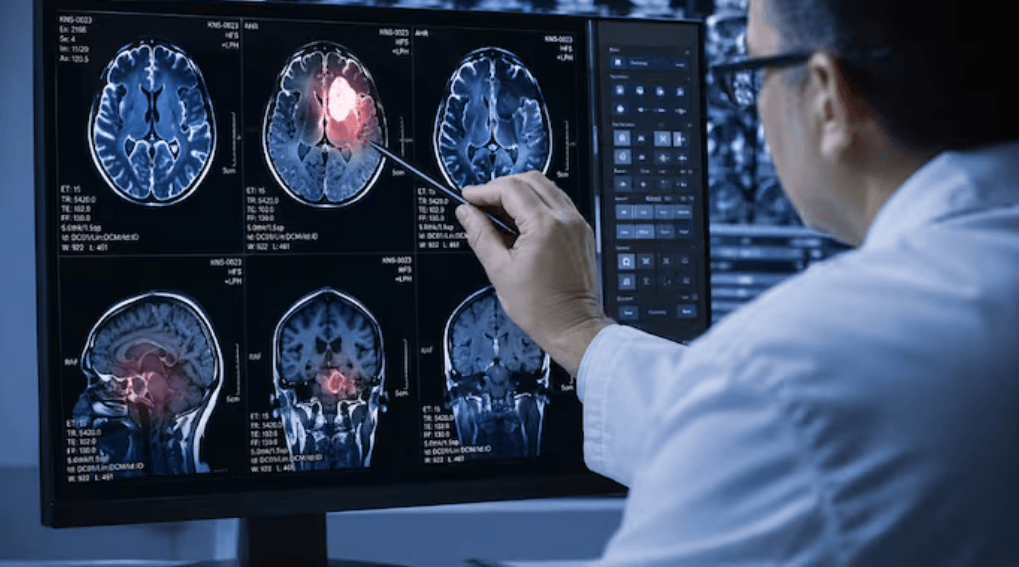
Nexus News Alert | New Delhi, 8 June 2026 — On World Brain Tumour Day 2026, doctors are raising awareness about subtle neurological changes that are frequently mistaken for everyday issues like stress, burnout, or lack of sleep. Persistent forgetfulness, sudden mood swings, unexplained anxiety, and recurring headaches could be early warning signs of a brain tumour.
World Brain Tumour Day 2026 emphasises the critical need for early detection, as timely diagnosis can greatly improve treatment success and patient outcomes.
Also Read : WHO Declares Ebola Outbreak Global Health Emergency: India Says No Need to Panic
Common Early Symptoms Often Ignored
- Persistent or worsening headaches
- Sudden memory problems or forgetfulness
- Unexplained mood changes or irritability
- Vision issues such as blurred or double vision
- Seizures or convulsions
- Difficulty maintaining balance or coordination
- Extreme fatigue that doesn’t improve with rest
- Nausea or vomiting without any clear reason
Also Read : Ovarian Cancer Breakthrough: New Targeted Drug Extends
Why Early Detection is Crucial
Brain tumours are often diagnosed late because their symptoms mimic common conditions. Experts stress that recognising these signs early can lead to better treatment options and significantly improved survival rates.
Advances in Brain Tumour Treatment
Modern approaches including advanced imaging, targeted therapies, and minimally invasive surgery have transformed outcomes for many patients, offering longer survival and better quality of life.
10 FAQs on World Brain Tumour Day 2026
Q1. What is World Brain Tumour Day?
A: An annual awareness event observed on June 8 to educate people about brain tumours and promote early detection.
Q2. What are the most common early symptoms?
A: Persistent headaches, memory issues, mood changes, and vision problems.
Q3. Are these symptoms always a sign of a tumour?
A: No, but any persistent or worsening symptoms should be evaluated by a doctor.
Q4. Who is at higher risk?
A: Risk increases with age, family history, and exposure to certain radiation or chemicals.
Q5. Can brain tumours be cured?
A: Many can be successfully treated if detected early, especially benign tumours.
Q6. How are brain tumours diagnosed?
A: Through MRI, CT scans, neurological exams, and sometimes biopsy.
Q7. Is headache the only symptom?
A: No, symptoms vary widely depending on the tumour’s location and size.
Q8. What should I do if I notice these symptoms?
A: Consult a neurologist promptly for proper evaluation.
Q9. Are brain tumours common in India?
A: They are relatively rare, but awareness is helping improve early detection rates.
Q10. Where can I learn more about brain tumours?
A: Follow reliable health sources and use World Brain Tumour Day resources.
Nexus News Alert Verdict
World Brain Tumour Day 2026 serves as a vital reminder that seemingly minor symptoms like persistent headaches or memory lapses should never be ignored. Early medical evaluation can make a life-saving difference. With advances in diagnosis and treatment, more patients are achieving better outcomes. Increased public awareness remains the most powerful tool against brain tumours.
Stay tuned with Nexus News Alert for more on World Brain Tumour Day 2026, brain tumour symptoms, cancer awareness, and all important health updates.