


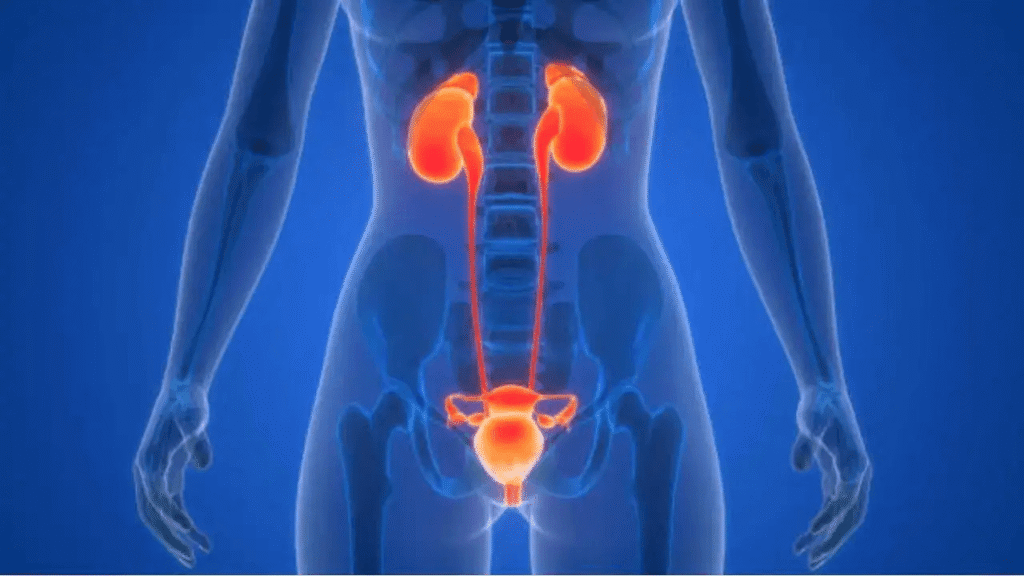
Nexus News Alert | New Delhi, 8 June 2026 — In an inspiring medical success story, a 72-year-old man with multiple serious health conditions has made a remarkable recovery after complex robotic surgery for aggressive bladder cancer. The patient, who first noticed blood in his urine, underwent a life-saving procedure at Apollo Hospitals, Delhi.
Bladder cancer robotic surgery proved highly effective for this high-risk elderly patient.
Patient Background
- Persistent blood in urine (hematuria) — a key warning sign
- Aggressive bladder cancer with multiple tumours
- Co-existing conditions: diabetes, high blood pressure, severe psoriasis, previous heart bypass surgery
- On blood thinning medication, increasing surgical risks
Also Read : Ovarian Cancer Breakthrough: New Targeted Drug Extends
Treatment Journey
The patient initially received immunotherapy directly into the bladder, but the cancer did not respond. Multiple tumours reappeared, making surgery necessary. Doctors opted for robotic-assisted radical cystectomy using the advanced da Vinci Xi robotic system.
During the procedure:
- The cancer-affected bladder and nearby tissues were removed
- A new urinary pathway was created using a segment of the intestine
- Surgery performed through tiny keyhole incisions
Also Read : Stress and Brain Stroke: Can Chronic Stress Really Trigger a
Remarkable Recovery
Despite his age and comorbidities, the patient recovered rapidly:
- Walked the next day
- Regained bowel function in two days
- Climbed stairs on the third day
- Discharged on the fourth day
Post-surgery biopsy confirmed complete cancer removal with no spread to lymph nodes.
Benefits of Bladder cancer robotic surgery
- Smaller incisions and less blood loss
- Reduced pain and lower infection risk
- Faster recovery and shorter hospital stay
- Greater surgical precision
- Better outcomes for elderly and high-risk patients
10 FAQs on Bladder Cancer & Robotic Surgery
Q1. What are common early symptoms of bladder cancer?
A: Blood in urine, frequent urination, pain or burning while urinating.
Q2. Why choose robotic surgery over traditional methods?
A: It offers smaller incisions, faster recovery, and higher precision with less trauma.
Q3. Can elderly patients with multiple conditions undergo this surgery?
A: Yes, robotic assistance makes it safer and more feasible for high-risk patients.
Q4. How long does recovery usually take?
A: Many patients start walking the next day and are discharged within 4-5 days.
Q5. What is the success rate of robotic bladder cancer surgery?
A: High success rates when performed by experienced teams with proper patient selection.
Q6. Is blood in urine always a sign of cancer?
A: No, but it should never be ignored and requires immediate medical evaluation.
Q7. What role does immunotherapy play in bladder cancer?
A: It is often used initially but may not work in all aggressive cases.
Q8. Where was this successful surgery performed?
A: At Apollo Hospitals, Delhi.
Q9. What is the future of robotic surgery in cancer care?
A: It is expanding rapidly and improving outcomes for complex, high-risk cases.
Q10. How important is early detection?
A: Extremely important — early diagnosis significantly improves treatment success.
Nexus News Alert Verdict
This bladder cancer robotic surgery success story demonstrates the power of advanced technology in treating high-risk elderly patients. For a 72-year-old with multiple comorbidities, the quick recovery and complete cancer removal are truly remarkable. It highlights how robotic surgery is transforming outcomes in complex cancer cases while reducing complications and hospital stay. Early detection of symptoms like blood in urine remains critical for better results.
Stay tuned with Nexus News Alert for more updates on medical breakthroughs, robotic surgery, bladder cancer treatment, and all important health news from India and around the world.