

Published by NexusNewsAlert | Energy Crisis | March 20, 2026 - LIVE Updates
Breaking: World's Largest LNG Hub Under Attack - Global Energy Shock
In what has become the most devastating blow to global energy infrastructure since the 1991 Gulf War, Iranian missile strikes on Qatar's Ras Laffan Industrial City have reduced the nation's liquefied natural gas (LNG) export capacity by 17 percent, causing an estimated $20 billion in annual revenue losses and threatening energy supplies to import-dependent nations including India, China, South Korea, Italy, and Belgium for the next three to five years.
Saad al-Kaabi, QatarEnergy's CEO and State Minister for Energy Affairs, confirmed on Thursday, March 19, 2026, that the unprecedented Iranian attacks have sidelined 12.8 million tonnes per annum (MTPA) of LNG production—forcing the state-owned energy giant to declare force majeure on long-term contracts stretching potentially half a decade.
"I never in my wildest dreams would have thought that Qatar would be—Qatar and the region—in such an attack, especially from a brotherly Muslim country in the month of Ramadan, attacking us in this way," al-Kaabi told Reuters in an emotional press briefing, his voice breaking as he described infrastructure damage that has set the region back 10 to 20 years.
NexusNewsAlert provides comprehensive minute-by-minute coverage of the crisis, examining how Iran's retaliatory strikes targeting Gulf oil and gas facilities—following Israeli attacks on Iran's South Pars gas field—have triggered a perfect storm that threatens to plunge energy-importing nations into prolonged supply crisis with no immediate alternatives.
The Attack: What Happened at Ras Laffan?
March 18-19, 2026: Missiles Pierce Qatar's Energy Heart
The Iranian strikes occurred in two waves:
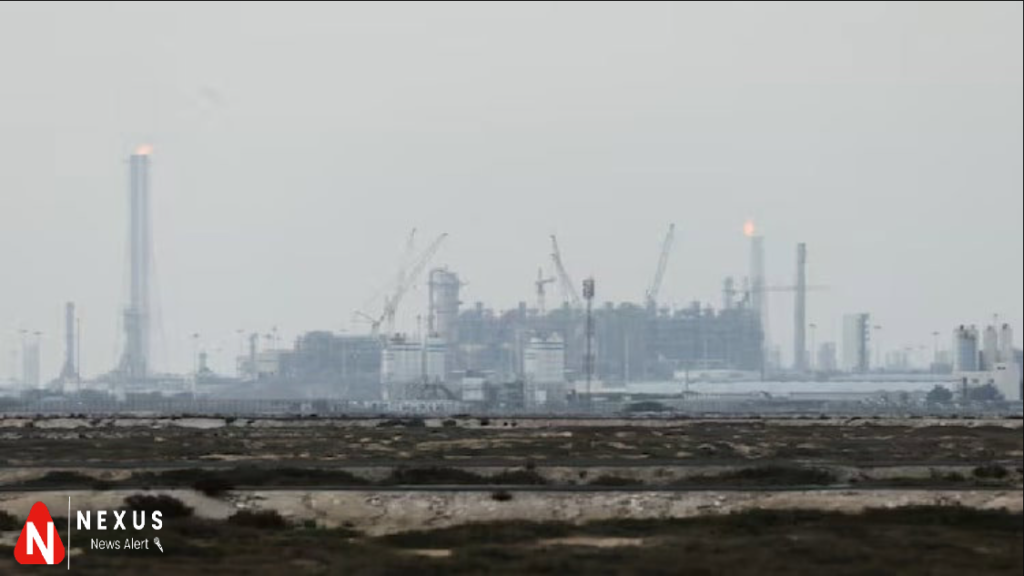
Wednesday, March 18, 2026 (Evening): Iranian ballistic missiles targeted Ras Laffan Industrial City, located 80 kilometers northeast of Doha. The attack hit the Pearl GTL (Gas-to-Liquids) facility, causing "extensive damage" and massive fires that required emergency response teams working through the night.
Thursday, March 19, 2026 (Early Hours): A second wave of missiles struck additional LNG production infrastructure, including:
- LNG Train S4 (joint venture: QatarEnergy 66% + ExxonMobil 34%)
- LNG Train S6 (joint venture: QatarEnergy 70% + ExxonMobil 30%)
- Multiple supporting facilities
According to QatarEnergy statements, while four missiles were intercepted by Qatar's air defense systems, one missile penetrated defenses, causing "sizeable fires and extensive further damage." Emergency crews battled blazes for hours before bringing them under preliminary control.
Crucially: No casualties were reported. All personnel were accounted for, though the psychological and economic trauma extends far beyond physical injuries.
The Damage: $20 Billion Annual Loss, 5-Year Repair Timeline
Infrastructure Devastation on Unprecedented Scale
The missile strikes damaged critical infrastructure across Qatar's energy sector:
1. LNG Production Capacity Loss:
- 12.8 MTPA offline (17% of Qatar's total capacity)
- Train S4: Impacts contracts with Italy's Edison and Belgium's EDFT
- Train S6: Impacts South Korea's KOGAS, Belgium's EDFT, and Shell in China
2. Associated Products Disruption: According to Minister al-Kaabi's estimates:
- Condensate exports: Down 24%
- LPG (Liquefied Petroleum Gas): Down 13%
- Helium output: Down 14%
- Naphtha: Down 6%
- Sulphur: Down 6%
3. Financial Impact:
- $20 billion estimated annual revenue loss
- Damaged units cost approximately $26 billion to originally build
- Insurance claims expected to be among the largest in energy sector history
4. Repair Timeline: "Three to five years" before damaged LNG trains can resume full production, according to al-Kaabi—assuming hostilities cease immediately and no further attacks occur.
"For production to restart, first we need hostilities to cease," al-Kaabi emphasized. With the Iran-US war now in its third week and no ceasefire in sight, even the optimistic three-year timeline appears unrealistic.
India's Energy Crisis: 47.4 MMSCMD Supply Disruptio
"This Will Impact Us Significantly" - Government Admits
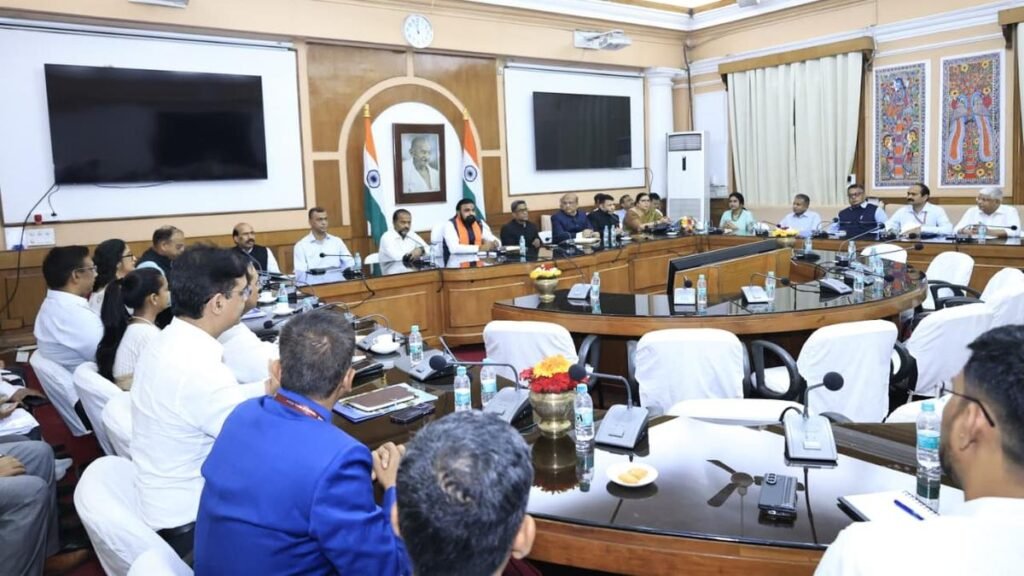
Sujata Sharma, Joint Secretary at India's Ministry of Petroleum and Natural Gas, confirmed during a Thursday press briefing in New Delhi that the Ras Laffan attacks pose an existential threat to India's energy security:
"We import 90 percent of our LPG and 47 percent of our LNG from Qatar (India's Energy Crisis). As the war continues, its effects are being felt here, which is why we are trying to provide updates every day."
The Numbers That Should Terrify India
Qatar supplies:
- One-third of India's LPG imports
- Nearly half (47%) of India's LNG imports
- 20% of total natural gas requirements
The strike has paralyzed:
- 47.4 million metric standard cubic meters per day (MMSCMD) of gas supply—equivalent to powering 15 million homes or running 250 large fertilizer plants
India's dependencies:
- 88% of crude oil imported
- 50% of natural gas imported
- 90% of LPG imported
This triple vulnerability means even short-term disruptions create cascading economic crises.
Emergency Measures Already Underway
The Government of India has activated crisis protocols:
1. Supply Rationing:
- Fertilizer plants receiving reduced allocations
- Power sector gas usage curtailed
- Industrial consumers facing quota restrictions
2. Alternative Sourcing: State-owned firms scrambling to secure spot market LNG cargoes from:
- United States (higher prices, longer shipping times)
- Australia (limited spare capacity)
- Russia (sanctions complications, but India exploring options)
3. Strait of Hormuz Navigation: Randhir Jaiswal, India's External Affairs Ministry spokesperson, confirmed ongoing negotiations with Iran to allow 22 Indian ships currently blocked in the Strait to transit. Only two ships have reached India so far via the passageway.
4. Strategic Reserves Discussion: The Ministry is fast-tracking proposals to build strategic gas storage reserves similar to crude oil storage, potentially using salt caverns in Bikaner, Rajasthan.
Who Suffers? The Global Impact Beyond India
China: LNG Imports Disrupted, Industrial Slowdown Risk
China imports approximately 8 MTPA from Qatar, making it the second-largest customer after Japan. The disruption particularly impacts:
- Coastal manufacturing hubs relying on gas-fired power
- Chemical plants using LNG as feedstock
- Residential heating in northern provinces
With China already navigating economic slowdown and real estate crisis, energy supply disruptions add another layer of vulnerability.
South Korea: Chipmakers Face Helium Shortage
South Korea's dependency on Qatari gas extends beyond LNG to helium—critical for semiconductor manufacturing. Samsung, SK Hynix, and other chipmakers require ultra-pure helium for chip production processes.
The 14% drop in helium output from Qatar threatens:
- Global semiconductor supply chains
- Electronics manufacturing timelines
- Tech sector stock valuations (already under pressure from AI chip demand)
Italy & Belgium: European Energy Insecurity Returns
European nations thought they had diversified away from Russian gas dependence after 2022. The Qatar disruption proves how fragile that diversification remains:
Italy: Edison's long-term contracts with Train S4 now under force majeure Belgium: EDFT facing supply shortfalls from both Train S4 and S6
European spot gas prices have surged 60-70% since the Iran war began, with some benchmarks doubling.
The Wider War: How We Got Here
Israel Strikes Iran's South Pars → Iran Retaliates Against Gulf
The Ras Laffan attacks are Iran's calculated retaliation for Israeli strikes on its own energy infrastructure:
March 16, 2026: Israel launched airstrikes on South Pars Gas Field—the world's largest natural gas field, holding an estimated 14-51 trillion cubic meters of gas reserves. The field provides Iran with approximately 40% of its natural gas supply.
The Israeli attack, conducted with apparent US support, aimed to cripple Iran's energy production and revenue generation capabilities. Iran vowed immediate retaliation.
March 2, 2026: Iran conducted initial drone attacks on Ras Laffan and Mesaieed Industrial City, forcing QatarEnergy to suspend LNG production for the first time in its history.
March 18-19, 2026: The devastating missile strikes that have now created a multi-year supply crisis.
Iran's Strategic Calculation: Punish the Gulf, Pressure America
Iran's targeting of Gulf oil and gas facilities serves multiple strategic objectives:
1. Economic Warfare: By attacking Qatar (Qatar LNG Crisis), Saudi Arabia, and UAE energy infrastructure, Iran inflicts billions in losses on US allies, potentially fracturing the coalition against Tehran.
2. Leverage for Negotiations: Demonstrating the ability to disrupt 20% of global oil and gas supplies gives Iran powerful bargaining chips in any ceasefire talks.
3. Deterrence: Showing that Gulf energy wealth is vulnerable discourages future Israeli or US strikes on Iranian facilities.
4. Religious Symbolism: Al-Kaabi's reference to attacks during Ramadan from a "brotherly Muslim country" highlights Iran's willingness to violate Islamic solidarity—a message to Gulf Arab states that ideological ties won't protect them.
Qatar's Response: "Everyone Stay Away From Energy Facilities"
Diplomatic Fallout and Regional Realignment
Qatar's Foreign Ministry issued strong condemnations, declaring the attacks a "dangerous escalation" and "flagrant violation of sovereignty." More significantly:
March 19, 2026: Qatar declared Iranian embassy's military and security attaches as persona non grata, ordering them to leave Qatar within 24 hours—a rare diplomatic rupture between Gulf and Iran.
Minister al-Kaabi made a broader plea to all combatants:
"If Israel attacked Iran, it's between Iran and Israel. It has nothing to do with us and the region. And so now, in addition to that, I'm saying that everybody in the world, whether it's Israel, whether it's the US, or whether it's any other country, everybody should stay away from oil and gas facilities."
This represents a fundamental shift. Qatar, traditionally maintaining balanced relations with both Iran and the West, now finds itself forced to choose sides—reluctantly aligning with the US-Saudi-UAE coalition after suffering attacks on its economic lifeblood.
LPG Crisis: From Indian Restaurants to Korean Homes
The Invisible Impact on Daily Life
While LNG disruptions affect power plants and industries, the 13% drop in LPG exports from Qatar hits consumers directly:
In India:
- Restaurants face cooking fuel shortages (LPG cylinders)
- Households without piped gas depend on LPG for daily cooking
- Prices already rising: Black market LPG cylinders selling at ₹1,500-2,000 (normally ₹900-1,100)
Global LPG Market: Qatar supplies significant LPG to:
- Japan: Residential heating and cooking
- South Korea: Households and commercial kitchens
- Singapore: Industrial and residential use
- Philippines: Cooking fuel for millions
The disruption during peak summer cooking season (approaching Ramadan Eid celebrations) exacerbates demand-supply mismatches.
Helium Shortage: Tech Industry's Hidden Vulnerability
Why Semiconductor Makers Are Panicking
Qatar produces approximately 30% of global helium supply, making the 14% production drop catastrophic for high-tech industries:
Critical Uses:
- Semiconductor manufacturing: Cooling during chip production
- MRI machines: Medical imaging
- Fiber optic cables: Telecommunications infrastructure
- Rocket launches: Space industry
South Korea's Exposure: Samsung and SK Hynix together produce over 40% of global memory chips. Any helium shortage delays production, potentially:
- Increasing smartphone prices
- Delaying AI server deployments
- Disrupting automotive electronics
Unlike oil or gas, helium has no substitutes for many applications—it's the second-lightest element with unique properties. There's no "alternative helium" to import.
North Field Expansion: Qatar's $30 Billion Dream on Hol
The Project That Would Have Changed Everything
Before the attacks, Qatar was advancing the world's largest LNG expansion project—North Field Expansion—designed to boost production capacity from 77 MTPA to 142 MTPA by 2030.
Investment: Over $30 billion Partners: ExxonMobil, Shell, TotalEnergies, ConocoPhillips, Eni
Minister al-Kaabi confirmed:
"No work is currently taking place on Qatar's massive North Field expansion project, which could be delayed for more than a year."
This delay has massive implications:
For Qatar: Lost opportunity to dominate global LNG markets as Europe transitions from Russian gas For Europe: Continued dependency on expensive spot market purchases For Asia: Inability to meet rising gas demand from economic growth For Climate: Delayed transition from coal to cleaner natural gas
Oil Prices: The $119 Spike and Netanyahu's Strait Promise
Markets in Panic Mode
Oil markets have experienced violent swings:
Thursday, March 19:
- Brent Crude briefly touched $119 per barrel
- WTI Crude hit $102
- Asian LNG spot prices jumped 39%
- Dutch TTF gas prices surged 50%
Partial Relief: Prices moderated after Israeli PM Benjamin Netanyahu announced Israel was assisting the US in reopening the Strait of Hormuz, claiming Iran had "lost the ability to enrich uranium and make ballistic missiles."
Netanyahu suggested the war "may end sooner than people think"—though analysts remain skeptical given ongoing strikes.
Expert Warnings: "$200 Oil" Scenario Looms
Tom Kloza, Gulf Oil's senior energy advisor, warned markets could enter an "all bets are off" scenario if the conflict begins systematically targeting energy infrastructure beyond the Gulf.
Energy analysts note:
- Arab Light Crude: Already at $127/barrel
- Kuwait Export Blend: Hit $153/barrel
- Iran's threat: Crude could reach $200/barrel if war escalates
Such prices would trigger:
- Global recession
- Inflation resurgence
- Central bank interest rate hikes
- Stock market crashes
India, importing 88% of crude oil, would face particular devastation—each $10 increase per barrel adds approximately $15 billion to India's annual import bill.
Force Majeure: What It Means for Contracts
Legal Escape Clause, Economic Catastrophe
Force majeure is a contract clause that frees parties from obligations when extraordinary events beyond their control make performance impossible.
QatarEnergy has declared force majeure on long-term contracts with:
- Edison (Italy) - Train S4
- EDFT (Belgium) - Trains S4 and S6
- KOGAS (South Korea) - Train S6
- Shell (China) - Train S6
What This Means:
- No penalties for non-delivery
- No guaranteed alternative supply from Qatar
- Customers must find spot market alternatives at higher prices
- Contract duration extended by disruption period (potentially adding 3-5 years)
ExxonMobil's Exposure: As minority partner in the damaged trains:
- 34% stake in Train S4
- 30% stake in Train S6
ExxonMobil faces billions in lost revenue, though insurance may cover reconstruction costs.
Can India Survive? Alternative Sources and Hard Choices
The Grim Math of LNG Replacement
India's challenge: Replace 47.4 MMSCMD of Qatari gas
Option 1: US LNG
- Availability: Limited spare capacity
- Price: 30-40% more expensive than Qatar
- Shipping time: 30-40 days vs. 15 days from Qatar
- Challenge: US producers already at near-full export capacity
Option 2: Australian LNG
- Availability: Minimal surplus
- Price: Premium pricing
- Shipping time: 20-25 days
- Challenge: Australia prioritizes Asian neighbors (Japan, South Korea, Taiwan)
Option 3: Russian Pipeline Gas
- Availability: Significant capacity
- Price: Potentially competitive
- Challenge: Geopolitical complications, sanctions concerns, infrastructure requirements
Option 4: Domestic Production Acceleration
- ONGC, Oil India boosting output
- KG Basin offshore fields
- Challenge: Takes 3-5 years to significantly increase production
Option 5: Demand Destruction
- Industrial curtailment: Factory shutdowns, reduced shifts
- Power sector rationing: Potential blackouts
- Fertilizer production cuts: Agricultural impact, food price inflation
The Strategic Reserve Imperative
The crisis has exposed India's lack of strategic gas reserves—unlike crude oil, where India maintains underground storage equivalent to 12 days of consumption.
Proposed Solution:
- Bikaner salt caverns (Rajasthan) for underground gas storage
- Target capacity: Equivalent to 30-45 days of consumption
- Investment required: ₹50,000-70,000 crore
- Timeline: 5-7 years to construct
This won't help the current crisis but could mitigate future shocks.
The 10-20 Year Setback: Reputational and Structural Damage
Beyond Physical Repairs
Minister al-Kaabi's statement that the attacks have set the region back "10 to 20 years" refers to more than infrastructure:
1. Investment Climate Destruction: International energy companies now reassess Gulf investments. If facilities worth $26 billion can be destroyed in minutes, risk premiums skyrocket.
2. Qatar's "Safe Haven" Image Shattered: Qatar marketed itself as the most stable Gulf state—neutral in regional conflicts, protected by US Al Udeid Air Base. That narrative is destroyed.
3. Insurance Costs: Premiums for energy infrastructure in the Gulf will increase dramatically, raising long-term operating costs even after repairs.
4. Project Delays: Every planned LNG expansion, petrochemical plant, or refinery upgrade now faces:
- Investor skepticism
- Higher financing costs
- Delayed approvals
5. Talent Flight: Expatriate workers and executives may leave the Gulf, fearing personal safety risks during prolonged conflict.
Frequently Asked Questions
Q1: How long will Qatar's LNG disruption last?
QatarEnergy CEO Saad al-Kaabi confirmed 3-5 years for full repairs to damaged LNG trains, assuming hostilities cease immediately. If the Iran war continues, delays could extend further, as no repair work can begin under active conflict conditions.
Q2: Which countries are most affected by Qatar LNG crisis?
Most impacted: India (20% of gas needs from Qatar), China (8 MTPA contracts), South Korea (KOGAS contracts), Italy (Edison contracts), and Belgium (EDFT contracts). Secondary impacts affect all Asian and European LNG importers due to global price spikes.
Q3: Can India find alternative LNG suppliers?
Short answer: Difficult. USA, Australia, and Malaysia are already at near-full export capacity. Russia remains an option but faces geopolitical complications. India will likely face higher prices (30-40% premium) and longer shipping times, requiring demand curtailment in power and industrial sectors.
Q4: Why did Iran attack Qatar's gas facilities?
Retaliation for Israeli strikes on Iran's South Pars gas field (March 16, 2026). Iran aims to inflict economic pain on US allies, demonstrate ability to disrupt global energy, and gain leverage for ceasefire negotiations by targeting Gulf energy infrastructure.
Q5: Will oil prices reach $200 per barrel?
Possible if the war escalates further. Brent briefly hit $119 on March 19; Arab Light is at $127. If systematic targeting of Saudi Aramco, UAE, and Kuwait facilities continues, and if the Strait of Hormuz remains closed, $150-200 oil becomes plausible, triggering global recession.
Q6: What is force majeure and how does it affect LNG contracts?
Force majeure is a legal clause freeing parties from contract obligations due to extraordinary events (war, natural disasters). QatarEnergy invoked it on contracts with Edison, EDFT, KOGAS, and Shell, meaning no delivery guarantees for 3-5 years. Buyers must find expensive spot market alternatives.
Related Articles on NexusNewsAlert
Related Coverage:
- Inside the Mens Bubble Watch — Key Moments
- Womens Leather Ball: Full Match Report & Analysis
- Iran-US War Day 16: Escalating Conflict Threatens Global Oil Supply
External References
🔗 Learn More: