

A Conflict Spiraling Beyond Control
The Iran-US war has now entered its sixteenth day with no signs of de-escalation, as military strikes continue to intensify across the Middle East. What began as coordinated US-Israeli airstrikes on February 28, 2026, has evolved into a regional conflagration threatening global energy security, international stability, and countless civilian lives. According to the latest reports from CNN and Al Jazeera, the conflict shows no immediate path toward resolution, with both sides preparing for prolonged military engagement.
The Iran-US war 2026 has already claimed 787 Iranian lives according to the Iranian Red Crescent Society, with thousands more wounded. Simultaneously, Israeli casualties mount as Iran launches sustained retaliatory missile and drone attacks. The Strait of Hormuz, through which 20% of global oil passes, remains effectively closed, sending Brent Crude prices to levels not seen since July 2022.
NexusNewsAlert has been closely monitoring this developing crisis, providing real-time updates as the situation unfolds. This comprehensive analysis examines the latest developments, regional implications, and potential outcomes of this dangerous escalation.
Latest Developments: Day 16 Summary
US-Israeli Strikes on Isfahan
In the early hours of Sunday, March 15, US and Israeli forces carried out coordinated attacks on Iran's Isfahan city, killing at least 15 people. The strikes targeted military infrastructure and command centers, continuing a pattern of systematic degradation of Iranian capabilities. Israel's military told CNN it has prepared a target list requiring "at least three more weeks" of sustained airstrikes.
Defense officials from the Trump administration indicated they expect the conflict to conclude "within weeks or sooner," though Iranian resistance suggests otherwise. The Israeli Air Force has struck over 200 targets in the past 24 hours alone, including presidential administration buildings, Supreme National Security Council facilities, and Assembly of Experts structures.
Iran's Retaliatory Attacks
Iran has responded with unprecedented scale, firing approximately 700 missiles and 3,600 drones at US and Israeli targets since hostilities began. On Sunday, multiple missile barrages struck central Israel, triggering sirens and sending residents scrambling for shelter. According to Israeli police CCTV footage, a cluster missile struck Tel Aviv streets, injuring at least three civilians.
Tehran's Islamic Revolutionary Guard Corps (IRGC) claimed responsibility for attacks across the Persian Gulf region, including strikes on:
- UAE's al-Dhafra airbase (10 missiles, several drones)
- Saudi Arabia's Riyadh metropolitan area (intercepted drones)
- Oil facilities in Fujairah, United Arab Emirates
- US diplomatic facilities in Israel
Regional Impact: Gulf States Under Fire
Saudi Arabia and UAE Bear the Brunt
The Iran-US war has drawn Gulf states into direct conflict despite their declared neutrality. Saudi Arabia's Ministry of Defence reported intercepting four drones over Riyadh, with two people killed and twelve injured since Iranian retaliation began. Six ballistic missiles targeting al-Kharj governorate were destroyed, alongside two drones in the Eastern Province.
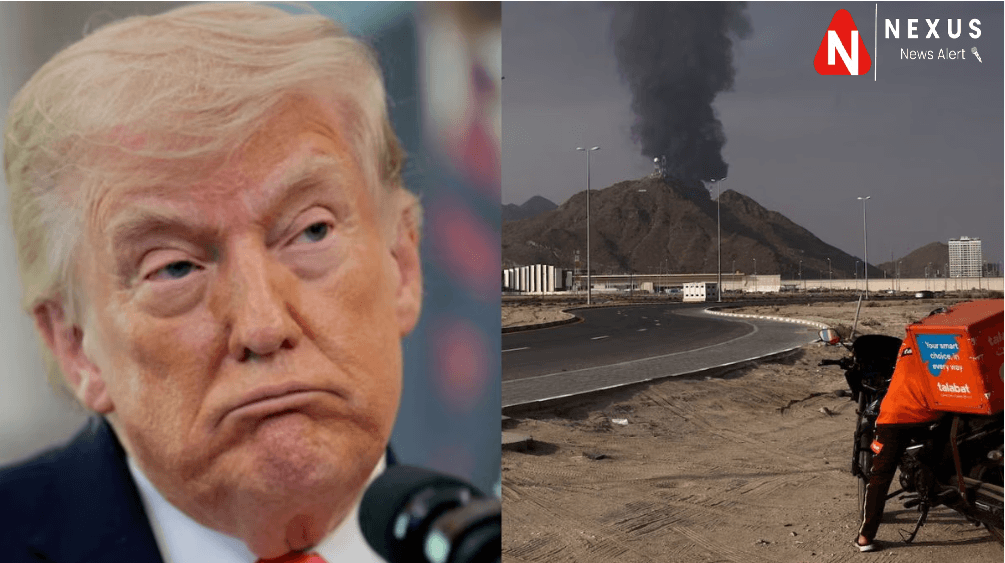
In the United Arab Emirates, black smoke billowed over Fujairah port after debris from intercepted Iranian drones struck energy installations. A Jordanian citizen sustained injuries in the incident. Abu Dhabi accused Iran of "moral bankruptcy" after Tehran claimed US attacks on Kharg Island originated from UAE territory.
Qatar, maintaining its traditional mediating role, announced the arrest of 10 individuals from two IRGC cells accused of espionage and sabotage, signaling its attempt to distance itself from Iranian operations while avoiding American retribution.
Lebanon: The Second Front
Israel launched a ground offensive into Lebanon on March 2, capturing positions along the border as Hezbollah intensified attacks. The Lebanese emergency services report 826 deaths and over 800,000 displaced persons since the conflict began. Israeli airstrikes have killed entire families, including a devastating attack in Qantara that claimed two children's lives.
Hezbollah forces continue engaging Israeli troops at al-Khazan hill in Odaisseh and near Fatima Gate in Kfar Kila, while shelling Israeli artillery positions in the Dishon settlement. The group's actions represent direct support for Iran, expanding the Iran-US war 2026 into a multi-front regional conflict.
Economic Consequences: Oil Markets in Turmoil
Strait of Hormuz Closure
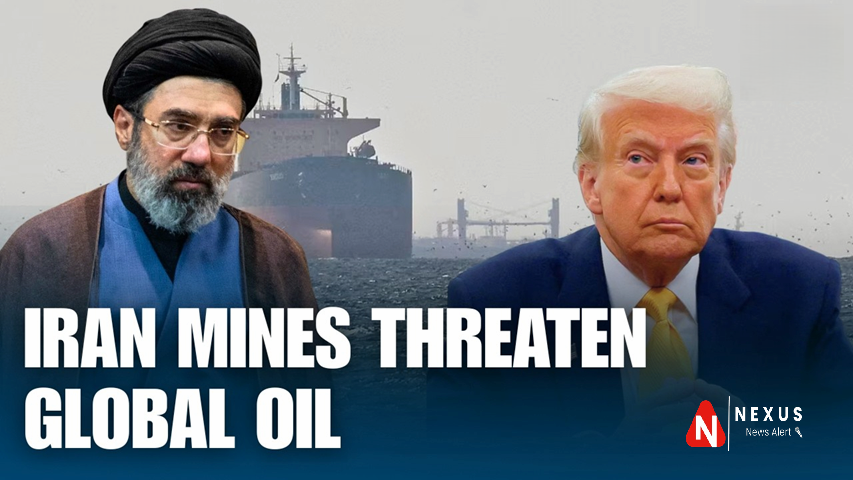
The most immediate global impact stems from Iran's effective blockade of the Strait of Hormuz. Tanker traffic has dropped 95% as Iranian threats and attacks create insurmountable risks for commercial shipping. President Trump appealed to "China, France, Japan, South Korea, the UK and others" to send warships to help secure the passage, though responses have been lukewarm.
Brent Crude oil prices climbed to their highest levels since mid-2022, exceeding $120 per barrel. Energy analysts warn that prolonged closure could trigger global recession, particularly impacting Asian economies dependent on Middle Eastern oil.
Strategic Reserve Releases
The International Energy Agency announced emergency releases totaling 400 million barrels from member nation strategic reserves, with the US contributing 172 million barrels. However, these temporary measures cannot substitute for sustained Persian Gulf exports, which typically provide 17 million barrels daily to global markets.
European nations face potential fuel shortages heading into spring, while India and China—major Iranian oil customers before sanctions—scramble for alternative suppliers at premium prices.
Military Analysis: Capabilities and Casualties
US-Israeli Operations
According to Pentagon sources, US forces have deployed B-1 Lancer strategic bombers, F-15E fighter jets, and naval assets throughout the region. Three F-15E aircraft were lost to Kuwaiti friendly fire on March 2, with all crew surviving—a stark reminder of the fog of war's dangers.
The International Atomic Energy Agency confirmed strikes on Iran's Natanz Nuclear Facility entrances, though no radiation increases were detected. The targeting of nuclear infrastructure represents a significant escalation, though facilities remain operational underground.
Iranian Resistance
Iran has demonstrated surprising resilience and sophisticated capabilities. The destruction of the US Navy's lead Shahid Soleimani-class corvette, strikes on multiple Gulf bases, and sustained drone operations showcase advanced military technology. Tehran claims to have damaged 56 museums, historic buildings, and cultural sites, though independent verification remains challenging.
The IRGC's ability to coordinate simultaneous multi-vector attacks across thousands of kilometers suggests intact command and control despite intensive US-Israeli strikes.
International Response: Divided World Powers
European Involvement
France deployed Rafale fighter jets to the UAE, while the UK sent HMS Dragon warship to protect Cyprus's Akrotiri military base. However, Spain denied US permission to use its airbases for operations against Iran, highlighting European divisions over the conflict.
British Prime Minister Keir Starmer faces domestic criticism for supporting US strikes, while France's Emmanuel Macron announced plans to expand France's nuclear arsenal for the first time in decades, citing global instability.
Asian Reactions
China and Russia condemned US actions at the UN Security Council, with Beijing offering diplomatic mediation that Washington has thus far rejected. Trump claimed Iran "wants to make a deal" but insisted "the terms aren't good enough yet," suggesting negotiation possibilities exist despite ongoing violence.
India finds itself caught between strategic partnerships with both the US and traditional ties with Iran, maintaining cautious neutrality while securing alternative energy supplies.
Humanitarian Crisis: Civilian Toll Mounts
Casualty Figures
The Iranian Red Crescent Society reports 787 deaths and thousands wounded, though independent observers suspect actual figures may be higher. In Lebanon, 826 people have died with 800,000 displaced. Israeli casualties remain lower but continue rising as Iranian missile accuracy improves.
Humanitarian organizations warn of impending medical crises as hospitals struggle with overwhelming casualty loads. The WHO has expressed particular concern about Tehran's environmental disaster, where toxic soot from burning oil depots covers residential areas.
Cultural Destruction
UNESCO condemned strikes on Golestan Palace and other heritage sites, calling for immediate protection of irreplaceable cultural treasures. Iran accuses the US and Israel of deliberately targeting civilian infrastructure to demoralize the population, while Washington claims precision strikes on military targets.
Possible Outcomes: What Happens Next
Best Case Scenario
International mediation, potentially led by China or France, produces a ceasefire within weeks. Both sides claim victory while accepting face-saving terms. The Strait of Hormuz reopens, oil markets stabilize, and regional powers begin de-escalation.
Most Likely Scenario
The conflict continues at current intensity for 3-4 weeks as Israel completes its target list. Gradual reduction in strikes leads to informal ceasefire, though hostile posturing continues. Oil supply partially recovers but remains below pre-conflict levels for months.
Worst Case Scenario
Iran deploys chemical weapons or improvised nuclear devices. Israel considers tactical nuclear response. Conflict engulfs entire Middle East, potentially drawing in Russia and China. Global economic depression follows sustained energy supply disruption.
Conclusion: A Crisis With No Easy Solutions
The Iran-US war represents the most dangerous Middle Eastern conflict in decades, with implications reaching far beyond the region. As NexusNewsAlert continues monitoring developments, several facts remain clear: neither side appears willing to back down, global energy security hangs in the balance, and civilian populations bear the conflict's heaviest burden.
The international community faces a stark choice: meaningful intervention to enforce peace, or passive observation as the crisis deepens. With oil prices rising, casualties mounting, and regional stability crumbling, the window for diplomatic solutions narrows with each passing day.
Stay updated with the latest developments at NexusNewsAlert, your trusted source for breaking news and in-depth analysis.
Key Statistics at a Glance
| Metric | Figure |
|---|---|
| Conflict Duration | 16 days (as of March 16, 2026) |
| Iranian Casualties | 787 deaths, thousands wounded |
| Lebanese Casualties | 826 deaths, 800,000 displaced |
| Missiles Fired by Iran | ~700 ballistic missiles |
| Drones Launched | ~3,600 Iranian drones |
| Israeli Targets Hit | 200+ in past 24 hours |
| Oil Price (Brent Crude) | $120+ per barrel |
| Strait of Hormuz Traffic | 95% reduction |
| IEA Reserve Release | 400 million barrels |
| US Contribution | 172 million barrels |
Frequently Asked Questions
Q1: Why did the Iran-US war start?
The conflict began on February 28, 2026, with coordinated US-Israeli strikes targeting Iranian leadership and nuclear facilities. The attacks followed escalating tensions over Iran's nuclear program and regional influence.
Q2: How long will the Iran-US war last?
Israeli military sources suggest at least three more weeks of operations. Trump administration officials predict conclusion "within weeks or sooner," though actual timeline remains uncertain.
Q3: What is the Strait of Hormuz crisis?
The Strait of Hormuz is a narrow waterway through which 20% of global oil passes. Iran has effectively blockaded it through threats and attacks, causing 95% traffic reduction and driving oil prices above $120 per barrel.
Q4: How many people have died in the Iran-US war?
As of March 16, at least 787 Iranians and 826 Lebanese have been killed, with thousands more wounded. Casualty figures continue rising daily.
Q5: Could the Iran-US war trigger World War 3?
While unlikely, the conflict risks escalation if major powers become directly involved. China and Russia support Iran diplomatically, while NATO members back the US-Israel coalition with varying degrees of commitment.
Q6: What are oil prices doing during the war?
Brent Crude has exceeded $120 per barrel, the highest since July 2022. Analysts predict sustained elevation until the Strait of Hormuz reopens to normal traffic.
Related Articles
📌 Read Also on NexusNewsAlert:
External References
🔗 For More Information:
- Iran-Israel Conflict - Wikipedia
- Strait of Hormuz - Wikipedia
- International Atomic Energy Agency
- 2026 Iran-US War - Wikipedia Portal
About NexusNewsAlert:
NexusNewsAlert is your trusted source for breaking news, in-depth analysis, and real-time updates on global events. Stay informed with our comprehensive coverage of world affairs, politics, economics, and more.
Follow Us:
- Twitter: @NexusNewsAlert
- Facebook: NexusNewsAlert
- Instagram: @nexusnewsalert