

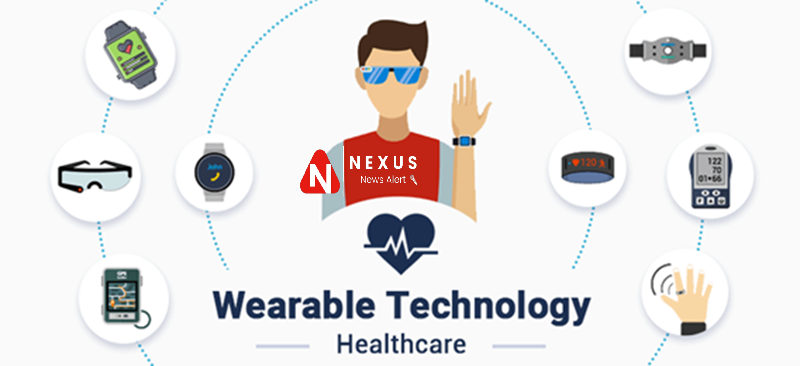
The fitness industry has officially crowned a new champion: wearable technology. For the 20th consecutive year, the American College of Sports Medicine (ACSM) has released its annual Worldwide Fitness Trends forecast, and for 2026, wearable tech has claimed the number one spot, signaling a fundamental shift in how athletes, fitness enthusiasts, and everyday people approach health and performance.
This milestone comes as nearly half of all U.S. adults now own a fitness tracker or smartwatch, transforming these devices from novelty gadgets into essential health management tools. The implications extend far beyond simple step counting, revolutionizing everything from professional sports performance to chronic disease management.
The Evolution of Wearable Technology
Dr. Cayla R. McAvoy, lead author of the 2026 ACSM Worldwide Fitness Trends report and certified exercise physiologist, explains the significance: "We've seen dramatic changes in fitness trends over the last two decades. Wearable technology has consistently remained at the top because it continues evolving with advanced biosensors that capture indicators such as fall detection, crash alerts, blood oxygen levels, and even early warning signs of cardiac events."
The 2026 generation of wearables represents a quantum leap from early pedometers. Modern devices now monitor heart rate variability, sleep architecture, stress levels, recovery metrics, and even blood glucose trends without invasive testing. This comprehensive data collection enables users to make informed decisions about training intensity, rest periods, and overall lifestyle adjustments.
For professional athletes, wearable technology has become indispensable. According to presentations at the American Orthopaedic Society for Sports Medicine Annual Meeting, these devices prevent injuries, accelerate recovery, and optimize on-field performance through real-time biometric feedback. Teams across the NFL, NBA, and international soccer leagues now mandate wearable use during both practices and games.
Beyond Fitness: Medical Integration
The health implications of wearable technology extend well beyond athletic performance. Recent research published in ScienceDaily reveals concerning findings about ultramarathon runners: extreme distances can alter red blood cells, making them less flexible and more prone to breakdown. Wearables now detect these physiological changes in real-time, alerting athletes to dangerous conditions before serious damage occurs.
Similarly, wearable devices are proving instrumental in managing chronic conditions. Patients with diabetes use continuous glucose monitors that sync with smartwatches, providing instant alerts about dangerous blood sugar fluctuations. Heart patients receive early warnings about arrhythmias, potentially preventing fatal cardiac events.
The World Health Organization's recent reviews of GLP-1 drugs like Ozempic and Wegovy have highlighted another critical application: monitoring metabolic changes during weight loss treatment. Wearables track not just weight reduction but also muscle mass preservation, ensuring patients lose fat rather than lean tissue.
The Rise of Adult Recreation and Sport Clubs
Interestingly, the 2026 ACSM report introduces a new top-20 trend: Adult Recreation and Sport Clubs. This phenomenon, driven largely by pickleball's explosive popularity, reflects growing demand for social connection combined with physical activity. Unlike traditional gym settings, these clubs emphasize enjoyment, camaraderie, and consistent participation over intense training.
"By emphasizing fun and social connection, adult recreation clubs reduce barriers to exercise and improve long-term adherence," McAvoy notes. "Group-based formats prove particularly effective for adults who are otherwise inactive, especially those motivated by casual competition rather than aggressive fitness goals."
Wearable technology integrates seamlessly into this trend, with many recreational athletes using devices to track personal progress without the pressure of competitive performance metrics. The data provides motivation and accountability while maintaining the casual, enjoyable atmosphere these clubs cultivate.
Fitness Programs for Older Adults
Ranking second in the 2026 trends, fitness programs specifically designed for older adults address the growing concern of sarcopenia—progressive muscle mass loss affecting 10-16% of individuals over 60 worldwide. Recent UCLA research in mice reveals that aging muscle stem cells accumulate proteins that slow repair but boost survival, acting like a brake on recovery.
Wearable technology plays a crucial role in senior fitness by monitoring fall risk, tracking bone density changes, and ensuring exercise intensity remains safe while still being effective. Smart devices can detect balance issues, prompting interventions before falls occur—the leading cause of injury-related death among older adults.
Exercise for Weight Management
The ACSM has renamed "Exercise for Weight Loss" to "Exercise for Weight Management," reflecting broader goals including weight maintenance and healthy gain. This shift acknowledges that optimal body composition varies significantly between individuals.
However, experts warn about potential pitfalls. Research highlighted by ScienceDaily suggests many people taking popular weight-loss drugs like Ozempic are "flying blind" nutritionally, potentially losing muscle along with fat. Wearable devices that track body composition, not just weight, help users maintain muscle mass while reducing fat percentage.
Mental Health and Performance
A concerning study reveals that college athletes reporting three or more concussions during their careers experience significantly worse mental and neurobehavioral health outcomes. Wearable technology now includes impact sensors that detect potential concussions in real-time, alerting medical staff immediately.
For female athletes, menopause presents unique challenges. Recent research shows menopause symptoms are common even among elite endurance athletes, often interfering with training and performance. Brain scans reveal grey matter loss in areas tied to memory and emotional regulation. Wearables tracking hormonal fluctuations help athletes and coaches adjust training loads appropriately.
The Future of Health Monitoring
Looking ahead, artificial intelligence integration promises to transform wearables from passive data collectors into active health coaches. AI-powered algorithms will predict injuries before they occur, recommend optimal training schedules, and provide personalized nutrition guidance based on real-time metabolic data.
Sleep optimization represents another frontier. AI-powered sleep aids, personalized sleep coaching, and even smart hotel rooms now help travelers maintain circadian rhythms. Given that poor sleep links directly to metabolic disorders, immune dysfunction, heart disease, and cognitive decline, treating sleep as a "measurable, essential pillar of health" rather than passive downtime could revolutionize public health.
Conclusion
The dominance of wearable technology in 2026's fitness trends reflects a broader shift toward data-driven health management. As Dr. McAvoy observes, "The question is no longer whether people will use wearables, but how effectively we can leverage the data they provide to improve health outcomes."
From professional athletes optimizing performance to older people preventing falls, from weight management to mental health monitoring, wearable technology has transcended its origins as a fitness fad to become an integral component of modern healthcare. As devices grow more sophisticated and AI integration deepens, the potential for improving human health and athletic performance appears limitless.
Related Coverage:
- Inside the Mens Bubble Watch — Key Moments
- Womens Leather Ball: Full Match Report & Analysis
- 'Bumrah is Usman Tariq of fast bowlers': Pak selector
For those seeking to optimize their health in 2026, the message is clear: embrace the technology, understand the data, and make informed decisions. The future of fitness isn't just about working harder—it's about working smarter, with wearable technology leading the way.