

China's 'Teapot' Refineries Are Cushioning It from Iran war oil crisis
China's small independent refineries - or 'teapot' refineries - are helping the country continue importing oil from Iran, despite the ongoing war crisis in the region. That's a big help. Oil imports are crucial - China needs them to keep its economy running smoothly.
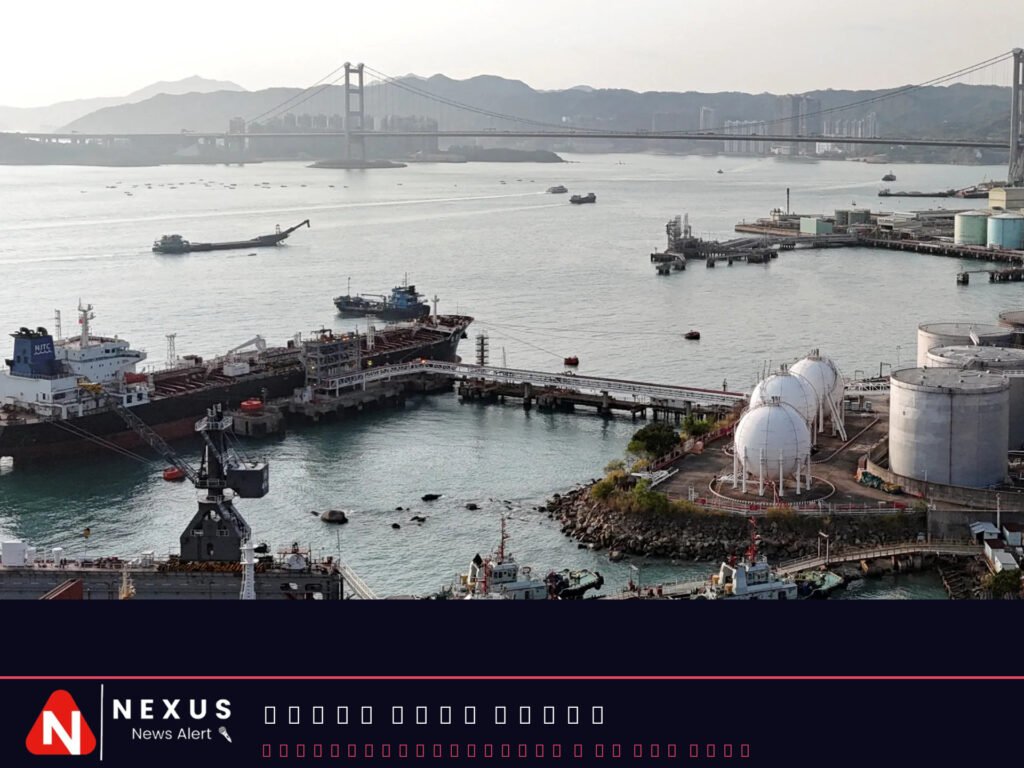
These small refineries are playing a key role in China's oil imports, as reported by Al Jazeera. But what exactly are 'teapot' refineries? They're small, independent oil refineries that aren't part of China's state-owned oil giants. They've been instrumental in helping China navigate the complex web of international oil trade - and that's no easy feat.
China's Teapot Refineries: What Happened in Shandong Province
In Shandong Province, where many of these 'teapot' refineries are located, oil imports from Iran have continued unabated. The war crisis in the region has disrupted global oil supplies, but China's teapot refineries have found a way to keep importing oil - and that's a testament to their resourcefulness. They've been able to navigate the sanctions and restrictions imposed on Iran, allowing China to maintain its oil imports.
| Refinery | Location | Oil Import Capacity |
|---|---|---|
| Dongming Petrochemical | Shandong Province | 100,000 bbl/day |
| Shandong Haiyou | Shandong Province | 50,000 bbl/day |
Here are the key facts at a glance: - China's teapot refineries are small, independent oil refineries. - They're located primarily in Shandong Province. - They've been able to navigate the sanctions and restrictions imposed on Iran.
Iran War Oil Crisis: Impact on India and Global Markets
The ongoing war crisis in the region has had a significant impact on global oil markets - oil prices have risen sharply. What's the impact on India? Fuel prices have surged - they're up over 10% in the past month. - It's a tough situation. - Oil prices are volatile. - India's economy is feeling the pinch.
RELATED: world news updates on the Iran war oil crisis.
Here's a timeline of the key events:
- January 2026: War breaks out in the region, disrupting global oil supplies.
- February 2026: Oil prices rise sharply, leading to a surge in fuel prices.
- March 2026: China's teapot refineries navigate the sanctions and restrictions imposed on Iran, allowing China to maintain its oil imports.
Official Response from China and Iran
Both China and Iran have been tight-lipped about the exact details of their oil trade - but it's clear that the teapot refineries have played a significant role in helping China maintain its oil imports from Iran. As reported by Nexus News Alert, the Chinese government wants to maintain its relations with Iran - despite the war crisis in the region. And on top of that, China's teapot refineries are a key part of this strategy.
Q: What is the impact of the Iran war oil crisis on India's oil prices?
A: The impact on India's oil prices has been significant - fuel prices are up over 10% in the past month. Can India mitigate this impact? - Diversifying oil imports could help. - Investing in alternative energy sources is another option. - It's a complex issue - no easy answers.
Q: How are China's teapot refineries able to navigate the sanctions and restrictions imposed on Iran?
A: The exact details are unclear - but it's likely that they're using complex trade routes and middlemen to get around the restrictions. What's more, the teapot refineries have been able to use their independence to their advantage - they're not part of China's state-owned oil giants, so they have more flexibility.
Q: What is the current situation with regards to oil imports from Iran?
A: China's teapot refineries are still able to import oil from Iran - but the situation is fluid, and could change at any time. It's a key development - and one that's being watched closely by analysts and policymakers.
Q: How will the Iran war oil crisis affect the global economy?
A: The impact will likely be significant - rising oil prices will lead to higher fuel costs, and potentially slower economic growth. It's a challenging situation - and one that requires a thoughtful response from policymakers.
Q: What steps can India take to mitigate the impact of the Iran war oil crisis on its oil prices?
A: India can take several steps - diversifying its oil imports, investing in alternative energy sources, and improving energy efficiency. It's not going to be easy - but with a thoughtful strategy, India can reduce its vulnerability to oil price shocks.
Follow Nexus News Alert for live updates on the Iran war oil crisis and its impact on the global economy.
And that's the situation - complex, challenging, and uncertain. But one thing is clear: China's teapot refineries are playing a key role in helping China navigate the crisis. Don't expect the situation to resolve itself anytime soon - it's going to take time, effort, and careful planning to mitigate the impact of the Iran war oil crisis.
For the latest on Iran War Oil Crisis and all major stories in April 2026, stay with Nexus News Alert — updated as events develop.
📰 Based on reporting from: Al Jazeera