


Galileo Navigation System Test 2026
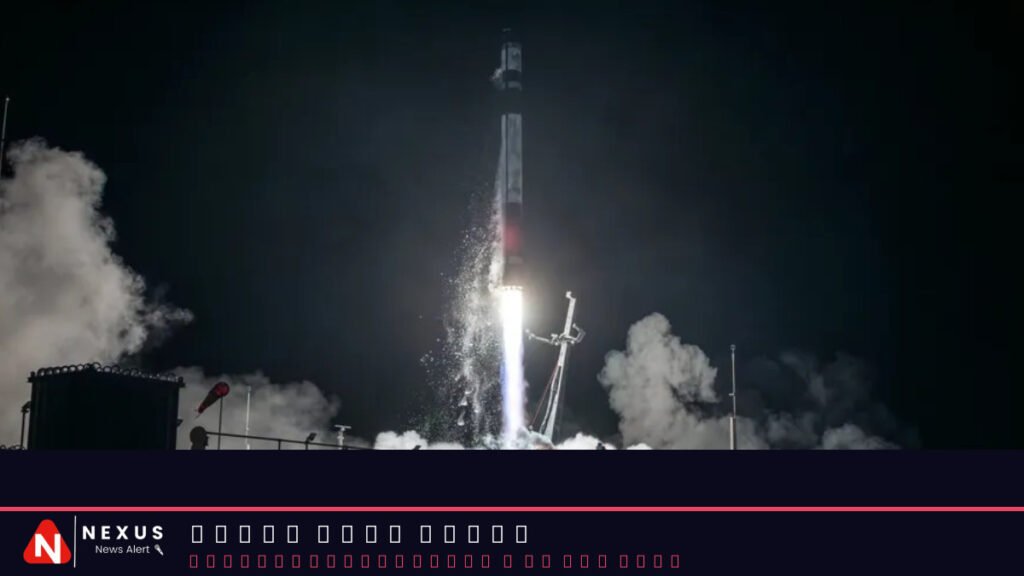
That's a big step - Rocket Lab has launched two Galileo navigation system test satellites, known as Celeste satellites, for the European Space Agency. This launch is key to testing a new low Earth orbit layer for the Galileo navigation system, which aims to deliver stronger, more reliable navigation signals worldwide. And on top of that, it's a significant step towards providing more accurate navigation signals.
Rocket Lab's Celeste Satellites Launch
Celeste satellites will play a crucial role - they'll test the new low Earth orbit layer. What's more, this system is expected to provide more accurate and reliable navigation signals, having a significant impact on industries like aviation, maritime, and logistics.
| Satellite | Launch Date | Orbit |
|---|---|---|
| Celeste-1 | April 2026 | Low Earth Orbit |
| Celeste-2 | April 2026 | Low Earth Orbit |
European Space Agency's Galileo Navigation System
It's a global navigation satellite system - the European Space Agency's Galileo navigation system provides accurate and reliable navigation signals. The system consists of a constellation of satellites in medium Earth orbit and a network of ground stations. — a thorough system, if you will. The new low Earth orbit layer being tested will enhance the system's capabilities and provide better navigation signals.
Nexus News Alert reported the launch - a significant milestone in the development of the Galileo navigation system. Success here will pave the way for more satellites and enhanced capabilities.
Impact on Navigation Signals
More accurate and reliable navigation signals - that's what the new low Earth orbit layer will provide. Essential for industries like aviation and maritime. Can we afford to have unreliable navigation signals? Improved accuracy - up to 1 meter. Increased reliability - critical for many applications.
- Improved accuracy: up to 1 meter.
- Increased reliability: critical for applications.
- Enhanced capabilities: new applications and services will emerge.
RELATED: technology updates on Nexus News Alert.
What This Means for You
The launch of Celeste satellites - significant for various industries and applications. We'll see improved navigation capabilities - more accurate GPS signals, for example. It's likely that new innovations will emerge - taking advantage of the improved navigation signals.
So, what does this mean for you? Improved navigation capabilities - in daily life. Check your device - is it compatible with the Galileo navigation system?
- Check your device's navigation capabilities.
- Stay updated with the latest developments.
- Explore new applications and services.
Q: What is the Galileo navigation system?
A: A global navigation satellite system - providing accurate and reliable navigation signals.
Q: What is the purpose of the Celeste satellites?
A: Testing a new low Earth orbit layer for the Galileo navigation system.
Q: How will the new low Earth orbit layer enhance the Galileo navigation system?
A: More accurate and reliable navigation signals - enabling new applications and services.
Q: What are the potential applications of the Galileo navigation system?
A: Aviation, maritime, logistics, and location-based services - to name a few.
Q: How can I stay updated with the latest developments in the Galileo navigation system?
A: Follow Nexus News Alert for live updates.
Follow Nexus News Alert for live updates on the Galileo navigation system and other technology news.
📰 Based on reporting from: Feedburner.com