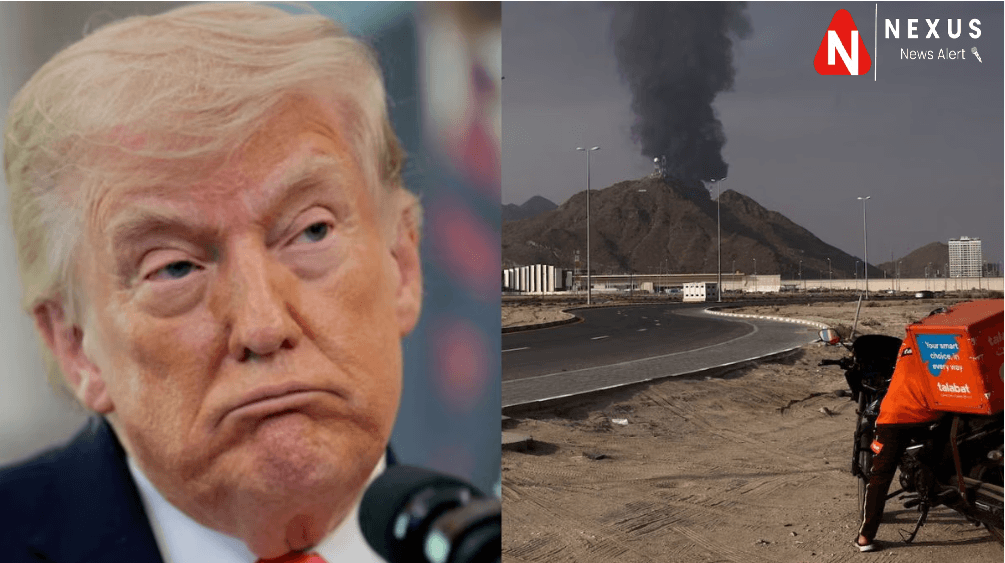


Nexus News Alert | Washington/Tehran, March 2026 — In a dramatic last-minute breakthrough, Iran and the United States have agreed to an immediate ceasefire, narrowly averting a full-scale military conflict. The deal was finalised just two hours before the deadline set by US President Donald Trump.
The agreement comes after weeks of escalating tensions that began with Israeli strikes on Iranian nuclear facilities and Iran’s subsequent retaliation. High-level backchannel diplomacy played a decisive role in bringing both sides to the negotiating table.
Mojtaba Khamenei’s Behind-the-Scenes Role
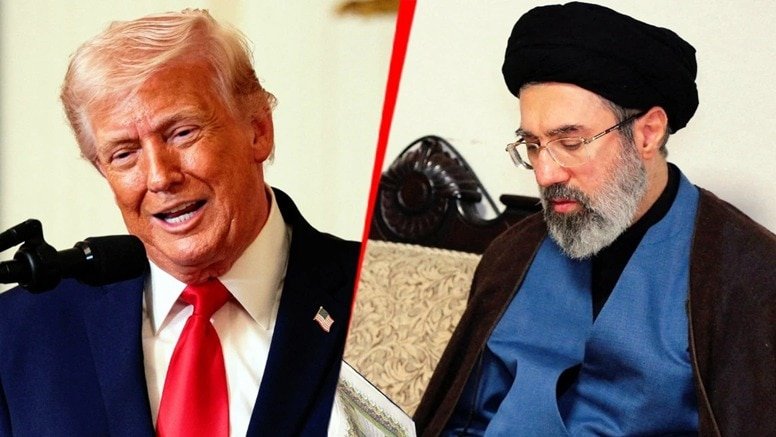
Iran US ceasefire 2026 - Sources close to the Iranian leadership have revealed that Mojtaba Khamenei, the influential son of Supreme Leader Ayatollah Ali Khamenei, played a key behind-the-scenes role in convincing hardliners in Tehran to accept the ceasefire. Mojtaba, widely seen as a powerful figure in Iran’s security and political establishment, reportedly used his influence to bridge the gap between the Iranian military and the political leadership.
A senior Iranian official told international media on condition of anonymity that “Mojtaba’s intervention was critical in the final hours. Without his direct involvement, reaching this agreement would have been nearly impossible.”
Trump’s Deadline and US Position
President Trump had earlier issued a strong warning to Iran, giving a clear deadline for de-escalation. The US had threatened “severe consequences” if Tehran did not step back. The last-minute deal has been described by the White House as a “victory for diplomacy and strong leadership.”
The US State Department confirmed that both sides agreed to an immediate cessation of hostilities and would begin indirect talks for a longer-term understanding.
Key Developments in the Ceasefire Agreement
| Development | Details |
|---|---|
| Timing of Deal | Finalised 2 hours before Trump’s deadline |
| Mojtaba Khamenei’s Role | Key influencer who convinced hardliners in Tehran |
| Ceasefire Terms | Immediate cessation of hostilities |
| Next Steps | Indirect talks for long-term understanding |
| International Reaction | Welcomed by Russia, China, EU; Israel cautious |
International Reactions
Several countries have welcomed the ceasefire. Russia, China, and European nations called it a “positive step towards regional stability.” Israel has maintained a cautious stance and is closely monitoring the situation. The United Nations Secretary-General expressed relief and urged both sides to respect the ceasefire.
What Happens Next?
While the immediate danger of war has been averted, many questions remain unanswered. The long-term status of Iran’s nuclear programme, sanctions relief, and regional security arrangements will likely be the focus of future negotiations.
For now, the ceasefire has brought a much-needed pause in one of the most dangerous confrontations in recent years.
Frequently Asked Questions (FAQ)
Q1. When was the Iran-US ceasefire agreement reached?
A: The deal was finalised just two hours before President Trump’s deadline.
Q2. What was Mojtaba Khamenei’s role in the ceasefire?
A: He played a crucial behind-the-scenes role in convincing hardliners in Iran to accept the ceasefire proposal.
Q3. What triggered the recent escalation?
A: Israeli strikes on Iranian nuclear facilities followed by Iranian retaliation.
Q4. What are the next steps after the ceasefire?
A: Both sides will begin indirect talks for a longer-term understanding.
Q5. How have other countries reacted?
A: Russia, China, and the EU have welcomed the deal, while Israel remains cautious.
Nexus News Alert will continue to monitor developments and bring you the latest updates on this fast-evolving story.