


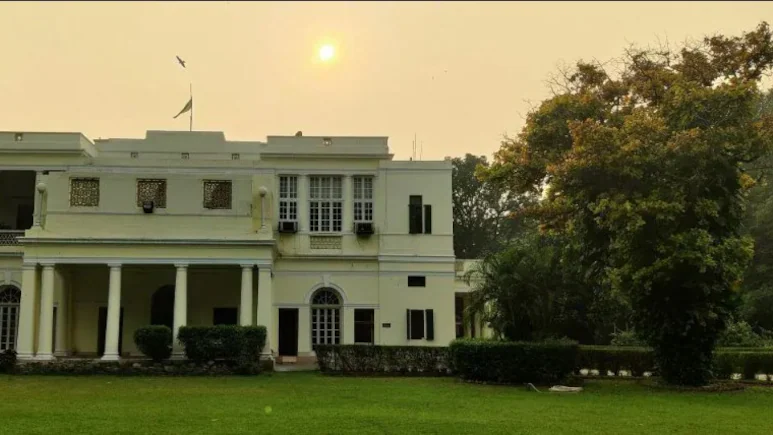
Annual government spending on the renovation, furnishing, and repair of official residences of Union ministers in Delhi’s Lutyens bungalow zone surged to a record ₹92.35 crore in the 2025-26 financial year. The figure is more than triple the ₹27.47 crore spent in 2014-15, according to official data obtained through a Right to Information (RTI) query.
Between 2014-15 and 2025-26, the central government incurred a cumulative expenditure of ₹547.68 crore through the Central Public Works Department (CPWD), the nodal agency tasked with structural maintenance and civil repairs.
Also Read: Supreme Court Frees 105-Year-Old Convict in 1988 Murder Case
Rising Trajectory and Costs Per Minister
The RTI disclosure reveals a marked escalation in upkeep outlays over the past decade:
- 2014–2019: Maintenance spending averaged ₹26.78 crore per year.
- 2019–2024: The annual average nearly doubled to approximately ₹50 crore.
- Recent Peaks: Spending accelerated to ₹71.98 crore in 2024-25 before reaching ₹92.35 crore in 2025-26.
With the Union Council of Ministers typically comprising 70 to 72 members, the 2025-26 expenditure translates to an average of roughly ₹1.2 crore per minister, though actual costs vary per residence. Ministerial staff indicated that frequent requests involve repetitive electrical overhauls, routine plumbing fixes, and flooring replacements.
Also Read: India’s First 14D Virtual Zoo and Safari Opens in Indore
Ageing Infrastructure and Heritage Upkeep
CPWD officials attributed the record figures to inflation alongside the rising cost of preserving century-old buildings spread across massive compounds in central Delhi. Developed between 1912 and 1930 during the construction of New Delhi, these 80- to 100-year-old residences regularly encounter problems such as severe seepage, termite damage, antiquated electrical grids, and structural degradation.
By comparison, an RTI reply from September 2009 showed a cumulative expenditure of ₹93.50 crore across an entire five-year span (2004–2009) for both MPs and Union ministers.
Historian Swapna Liddle noted that while the precinct bears Edwin Lutyens' name, he primarily designed residences inside the President’s Estate. The wider bungalow network was engineered by British Public Works Department architects to house colonial officials, before being repurposed post-Independence for cabinet ministers, senior judges, and military leadership.