

Strait of Malacca: China's Nightmare 2026
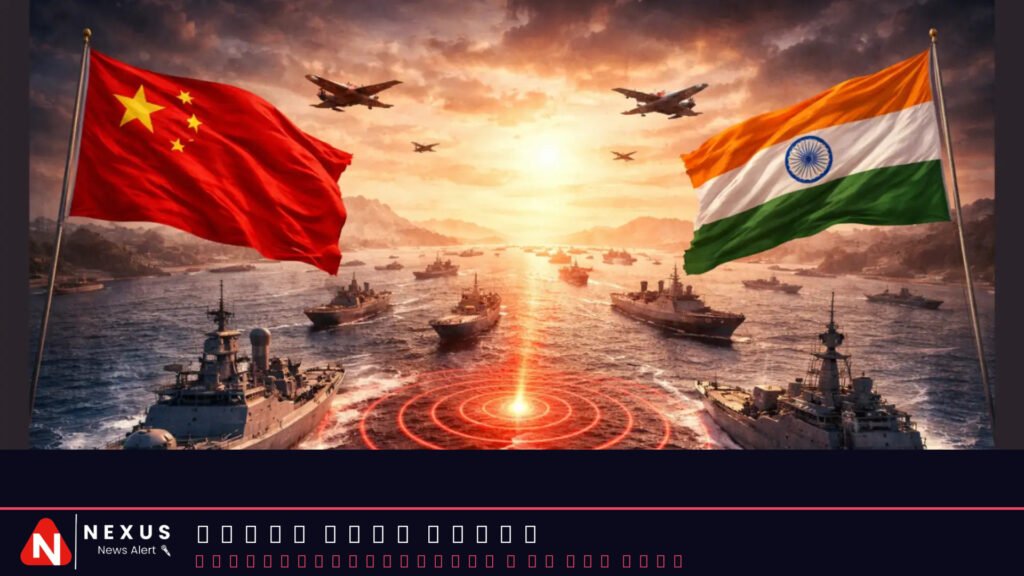
The Strait of Malacca crisis - it's a game-changer. Highlights China's maritime vulnerabilities. For China, the Strait of Malacca presents a similar, long-term strategic risk. India's Andaman and Nicobar Islands offer proximity and surveillance capabilities, providing significant leverage. This geographical advantage allows India to create uncertainty and pressure, impacting China's vital trade and energy lifelines.
Strait of Hormuz Crisis: A Wake-Up Call for China
The Strait of Hormuz crisis has brought attention to global maritime vulnerabilities. But for China, the Strait of Malacca is a more significant concern - and on top of that, it's a crucial trade route. With over 80% of China's oil imports passing through the strait, any disruption to trade could have severe consequences for the country's economy. What's more, the strait is a key waterway, with millions of barrels of oil passing through it every day.
| Country | Oil Imports via Strait of Malacca |
|---|---|
| China | 80% |
| India | 50% |
| Japan | 60% |
India's Strategic Advantage in the Strait of Malacca
Strategically located. India's Andaman and Nicobar Islands are near the Strait of Malacca, providing a unique advantage. Advanced surveillance capabilities - that's what India has. Monitor ship movements. Track potential threats. Regional security. This allows India to create uncertainty and pressure, impacting China's vital trade and energy lifelines - a key factor.
Official Response from India
According to Nexus News Alert, the Indian government has been closely monitoring the situation in the Strait of Malacca. With the country's strategic advantage in the region, India is well-placed to play a key role in maintaining regional security and stability. As reported by Nexus News Alert, the Indian Navy has been conducting regular patrols in the area to ensure the safe passage of ships.
RELATED: politics
So, what does this mean for China? Can the country mitigate the risks associated with the Strait of Malacca? What can China do to reduce its dependence on the strait and minimize the impact of any potential disruptions - a crucial question.
China's Options for Reducing Dependence on the Strait of Malacca
Several options - that's what China has. These include:
- Diversifying its energy sources - a key step, investing in renewable energy and reducing its reliance on oil imports
- Developing alternative trade routes - such as the China-Pakistan Economic Corridor
- Improving its naval capabilities - investing in advanced surveillance systems and increasing its naval presence in the region
| Option | Description |
|---|---|
| Diversifying Energy Sources | Investing in renewable energy and reducing reliance on oil imports |
| Alternative Trade Routes | Developing routes such as the China-Pakistan Economic Corridor |
| Improving Naval Capabilities | Investing in advanced surveillance systems and increasing naval presence |
What This Means for India and the Region
Significant implications - that's what the situation in the Strait of Malacca has. For India and the region. With its strategic advantage, India is well-placed to play a key role in maintaining regional security and stability. As the situation continues to evolve - it's essential to stay informed. Up-to-date on the latest developments.
Here are the key steps to take:
- Stay informed about the situation in the Strait of Malacca
- Monitor the impact on regional trade and energy security
- Support initiatives that promote regional cooperation and stability
🟢 China's increasing naval presence 🔵 India's strategic advantage 🔴 Terrorist activity
Share your answer in the comments below!
FAQ
Q: What is the Strait of Malacca and why is it important?
A: The Strait of Malacca is a critical waterway that connects the Indian Ocean to the South China Sea. It's an essential trade route - over 15 million barrels of oil passing through it every day.
Q: How does the Strait of Malacca crisis affect China's energy lifelines?
A: The Strait of Malacca crisis has significant implications for China's energy lifelines. With over 80% of China's oil imports passing through the strait, any disruption to trade could have severe consequences for the country's economy - a key concern.
Q: What is India's strategic advantage in the Strait of Malacca?
A: India's Andaman and Nicobar Islands are strategically located near the Strait of Malacca, providing the country with a unique advantage. With advanced surveillance capabilities, India can monitor ship movements and track any potential threats to regional security - a significant advantage.
Q: How can China reduce its dependence on the Strait of Malacca?
A: China has several options for reducing its dependence on the Strait of Malacca, including diversifying its energy sources, developing alternative trade routes, and improving its naval capabilities - all crucial steps.
Q: What does this mean for India and the region?
A: The situation in the Strait of Malacca has significant implications for India and the region. With its strategic advantage, India is well-placed to play a key role in maintaining regional security and stability - a critical factor.
Follow Nexus News Alert for live updates on the situation in the Strait of Malacca and its implications for India and the region - stay informed.
📰 Based on reporting from: Times of India