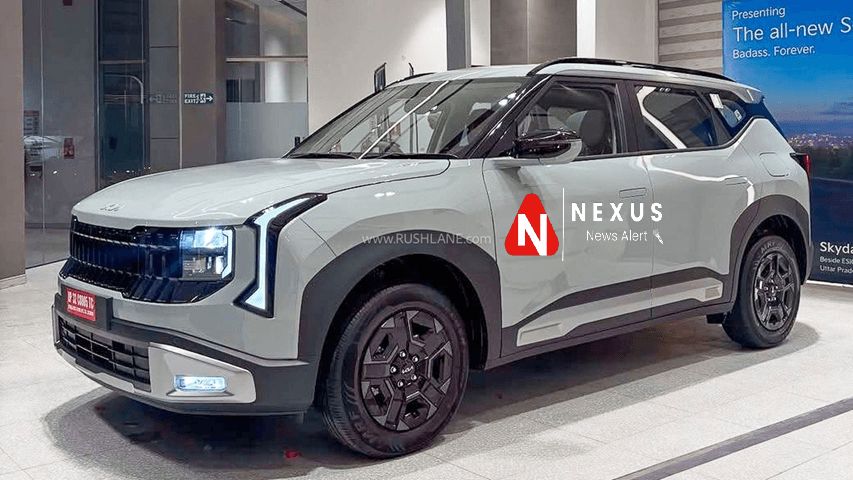


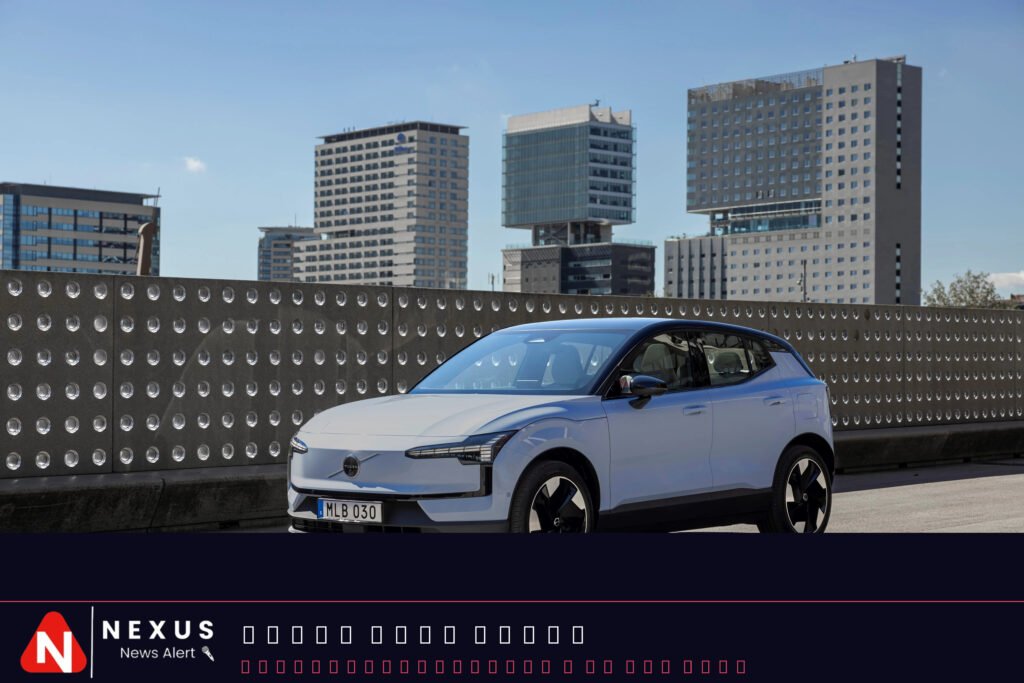
The electric vehicle landscape in the United States is proving to be a turbulent one, with a steady stream of news about automakers cancelling or discontinuing models. This week brings more clarity to the trend, as both Volvo’s small, quirky EX30 and Honda’s solo electric offering in the US, the Prologue, have reportedly become the latest victims. These cancellations highlight a challenging period for the EV sector, primarily attributed to stagnating sales and significant policy changes.
Volvo EX30 and Honda Prologue Face US Market Exit
For Volvo, the EX30 represented an ambitious push into the compact electric SUV segment. Touted for its distinctive design and more accessible price point, the EX30 aimed to attract a younger, urban demographic to the brand’s electrification efforts. Its cancellation in the US market suggests a recalibration of Volvo's strategy, likely in response to market demand not meeting initial projections.
Honda, on the other hand, had a more cautious entry into the US EV space with the Prologue. As the automaker’s primary electric vehicle offering for the American consumer, the Prologue was meant to pave the way for a broader EV lineup. Its discontinuation before gaining significant traction sends a strong signal about the difficulties even established brands face in securing a foothold in a rapidly evolving, yet currently slow-moving, market.
Trump Administration's Tax Incentive Cut Impacts EV Demand
A key factor cited in the stagnating EV sales within the US is the Trump administration’s decision to eliminate crucial tax incentives. These incentives previously played a significant role in making electric vehicles more financially appealing to potential buyers. Their removal effectively increased the out-of-pocket cost for consumers, directly impacting the value proposition of many EV models, including those from Volvo and Honda.
The absence of these financial inducements creates a more challenging sales environment. For many consumers, the higher upfront cost of an EV, even with long-term fuel savings, remains a barrier. Without government support to offset this initial investment, the adoption rate naturally slows, making it harder for manufacturers to justify continued production and market presence for certain models.
What This Means for Volvo, Honda, and US EV Consumers
The cancellations of the Volvo EX30 and Honda Prologue aren't isolated incidents; they’re indicative of a broader market adjustment. Automakers are scrutinizing their EV portfolios with renewed intensity, balancing ambitious electrification targets against the realities of consumer demand and regulatory landscapes.
The Future of Volvo's EV Strategy Post-EX30
Volvo has been aggressive in its electrification push, pledging to go fully electric. The EX30's setback in the US will undoubtedly prompt a reassessment of how the Swedish brand approaches different global markets. It might lead to a greater focus on larger, more established EV segments where demand remains stronger, or a more tailored approach to regional incentives and consumer preferences. This doesn't necessarily mean a retreat from EVs for Volvo, but rather a strategic pivot.
Honda's Solo EV Offering, Prologue, Hits a Roadblock
For Honda, the Prologue was a crucial first step. Its cancellation casts a shadow on their immediate US EV expansion plans. Honda might now reconsider its platform strategies, potentially looking at partnerships or entirely new designs better suited to American consumer expectations and pricing sensitivities. This could delay their full-scale entry into the US electric vehicle market, impacting their competitiveness against rivals with more established EV lineups.
Ultimately, US EV consumers face a market in flux. While innovation continues at a rapid pace, the availability of certain models and the overall affordability landscape can change quickly. These developments underscore the dynamic nature of the automotive industry as it navigates the transition to electric mobility, influenced heavily by both market forces and policy decisions.
FAQ
- Why was Volvo EX30 cancelled in the US?
The Volvo EX30 was reportedly canceled in the US due to stagnating electric vehicle sales, largely influenced by the elimination of federal tax incentives which impacted its market viability.
- Is Honda Prologue available in the US?
According to recent reports, the Honda Prologue, which was intended as Honda's solo electric offering in the US, has been discontinued.
- How did Trump administration policies affect EV sales?
The Trump administration's decision to eliminate tax incentives for electric vehicles significantly impacted consumer demand by increasing the effective purchase price, leading to stagnating sales for many EV models in the US.
- What are the best alternative small EVs to the Volvo EX30?
With the Volvo EX30's cancellation, potential buyers looking for small, quirky EVs might consider models like the Mini Cooper Electric, Hyundai Kona Electric, or Chevrolet Bolt EV, depending on market availability and personal preferences.
For the latest on Volvo EX30 Honda Prologue and all major stories in March 2026, stay with Nexus News Alert — updated as events develop.
📰 Based on reporting from: The Verge